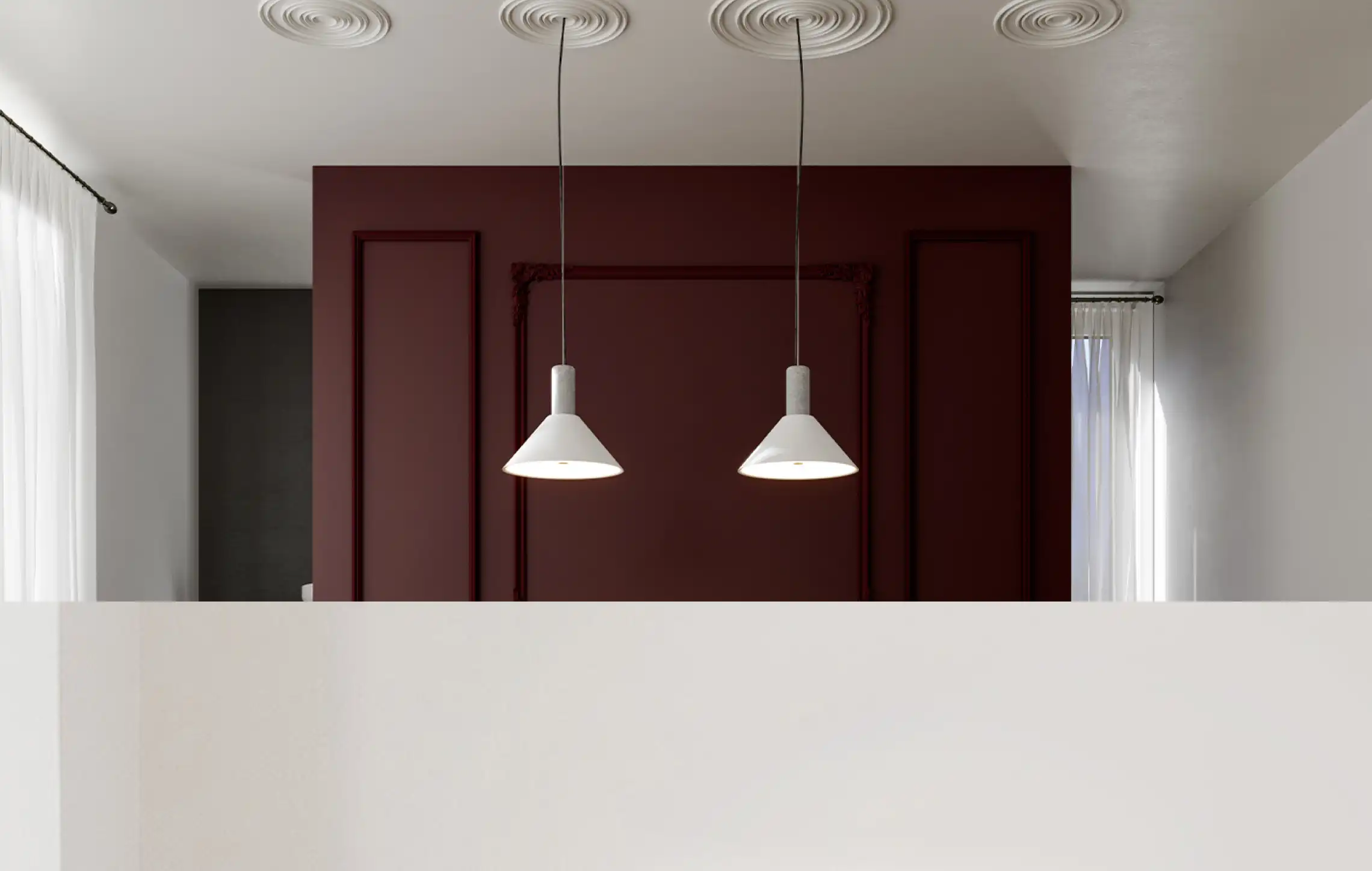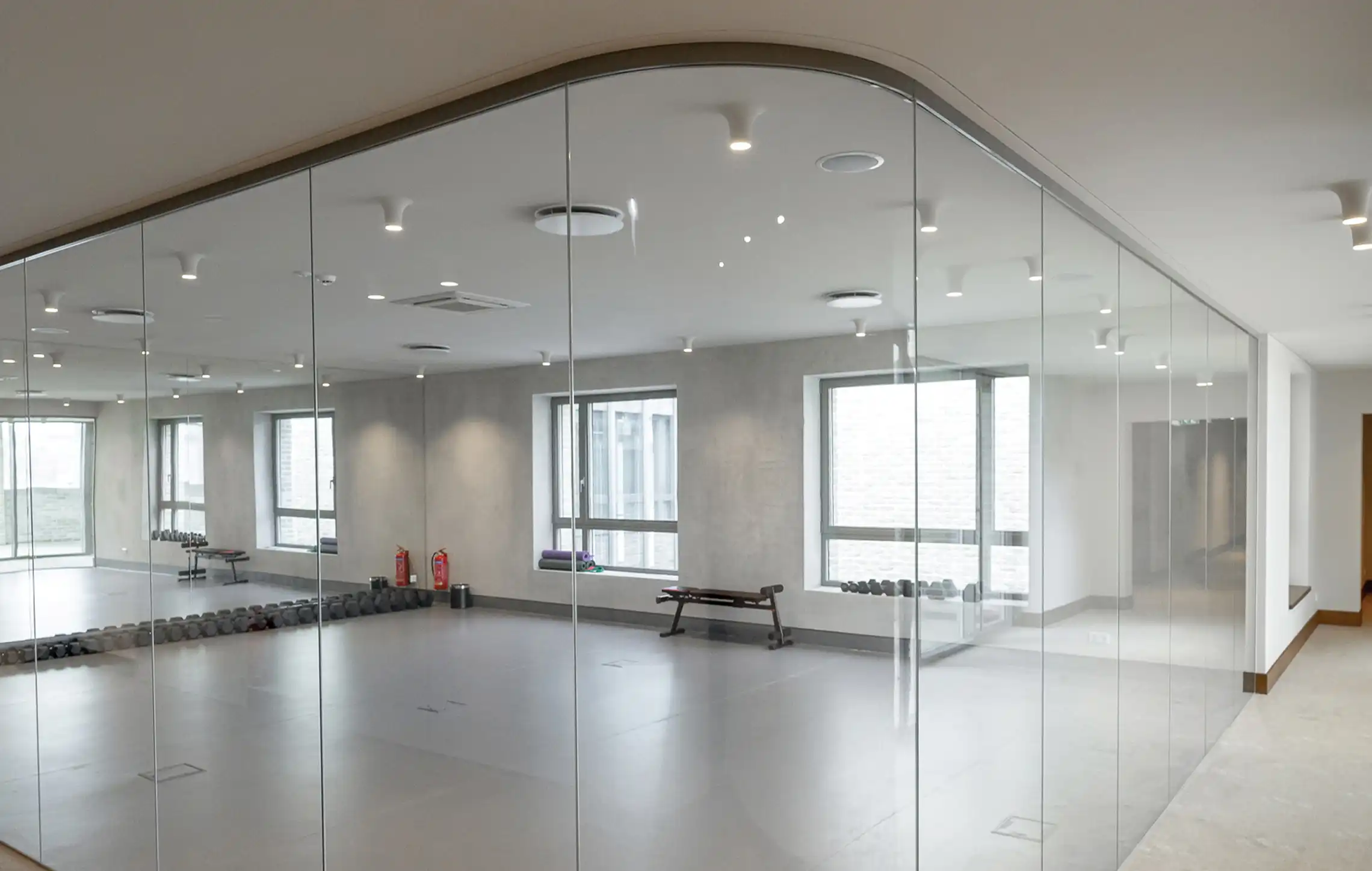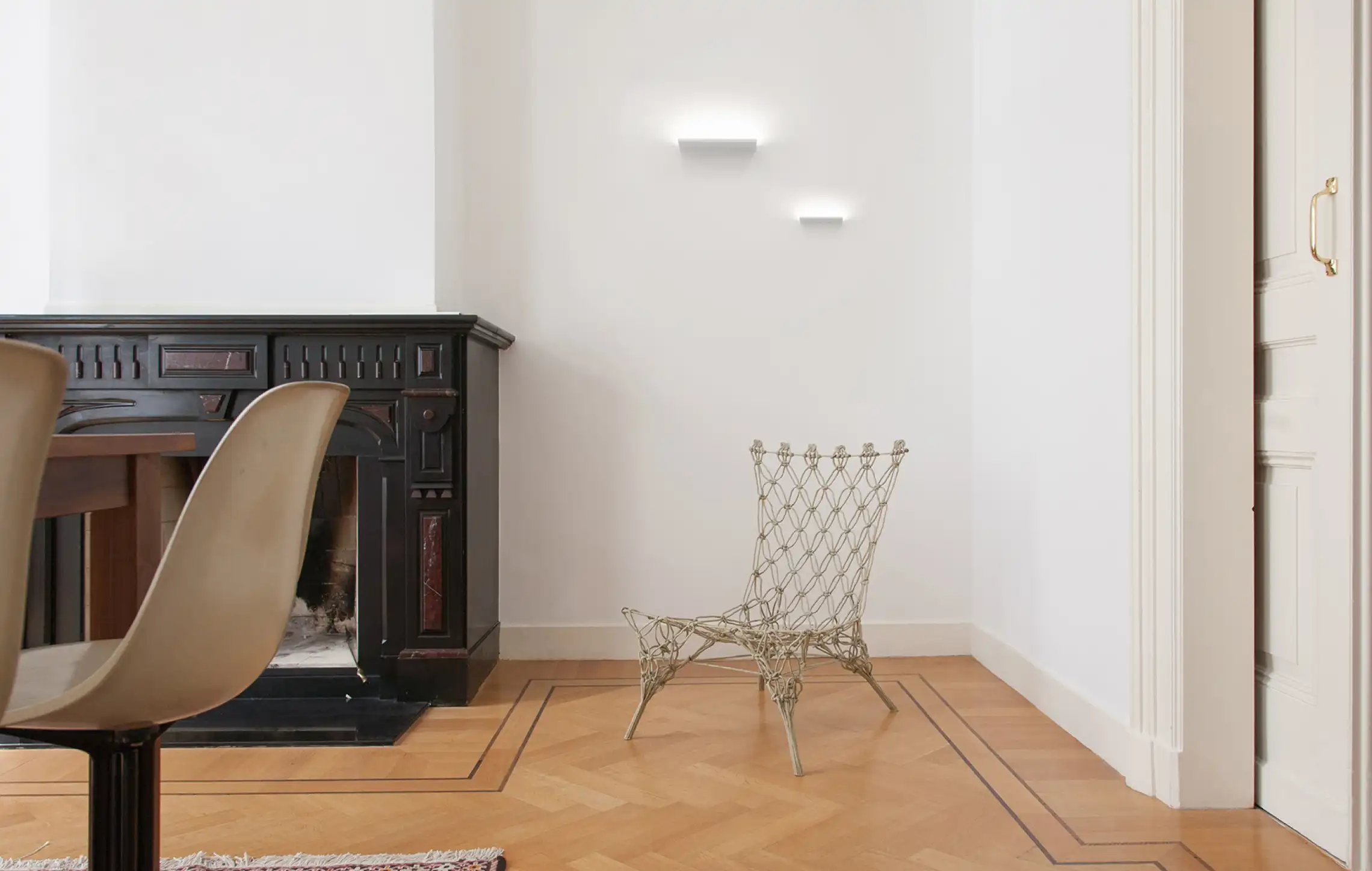
Architecture is evolving beyond walls, ceilings, and materials. Today, light is considered one of the most important architectural elements, capable of defining spaces, influencing emotions, and enhancing the way people interact with their surroundings. As modern interiors continue to embrace clean lines and minimalist aesthetics, architectural lighting has become an essential design feature rather than a finishing touch. Contemporary lighting solutions are designed to integrate seamlessly into architecture. Instead of drawing attention to the fixture itself, they emphasize the beauty of the space. Trimless recessed lights, magnetic track systems, linear profiles, and concealed LED installations create elegant environments where illumination feels natural, sophisticated, and intentional.
One of the biggest trends shaping the industry is flexibility. Modern lighting systems allow designers to adapt spaces as needs evolve. Magnetic track lighting, for example, enables luminaires to be repositioned or replaced without altering the ceiling structure, making it an ideal solution for residential, hospitality, retail, and commercial environments.
Layered lighting has also become a defining characteristic of exceptional interior design. Combining ambient, task, and accent lighting creates depth, highlights architectural details, and establishes a balanced visual experience. From illuminating textured walls and feature ceilings to showcasing artwork and furniture, thoughtful lighting transforms ordinary interiors into immersive environments.
Energy efficiency continues to play a significant role in architectural lighting. Advanced LED technology delivers exceptional performance while consuming significantly less energy than traditional lighting systems. Longer product lifespans, reduced maintenance, and lower operating costs make LED solutions a sustainable investment for modern buildings.
The rise of smart lighting has further changed how spaces function. Intelligent control systems allow users to adjust brightness, color temperature, and lighting scenes throughout the day, improving comfort, productivity, and overall well-being. Whether it’s creating a warm residential atmosphere or a dynamic commercial environment, smart controls provide complete flexibility.
As the future of architecture continues to prioritize sustainability, flexibility, and human-centered design, architectural lighting will remain one of the most influential tools in shaping modern spaces. The most successful projects won’t simply be well lit—they’ll be thoughtfully illuminated.