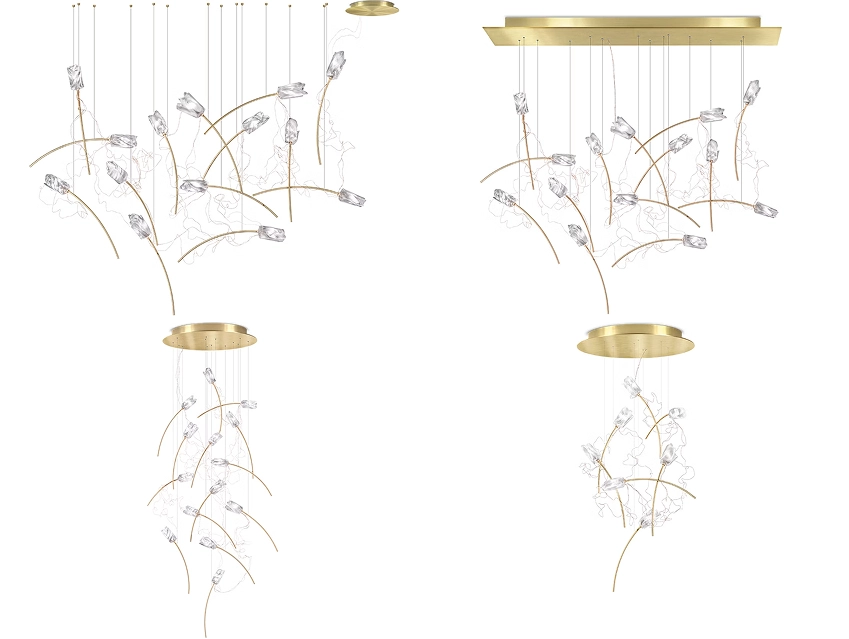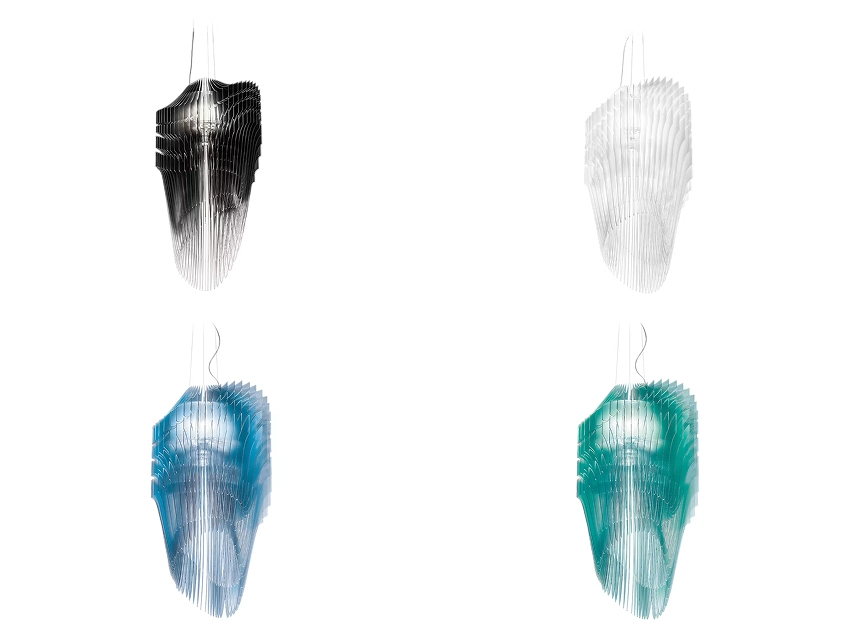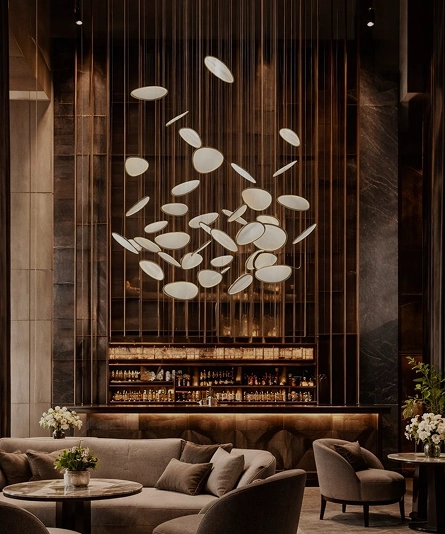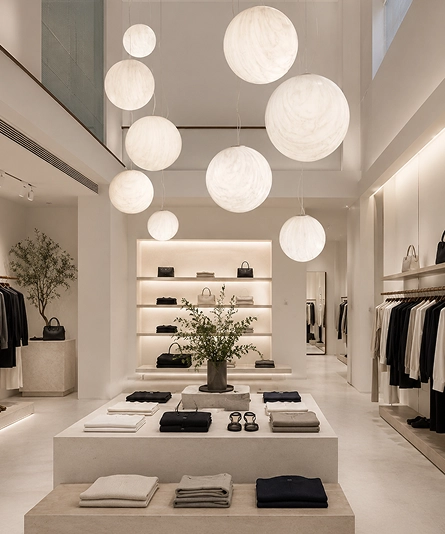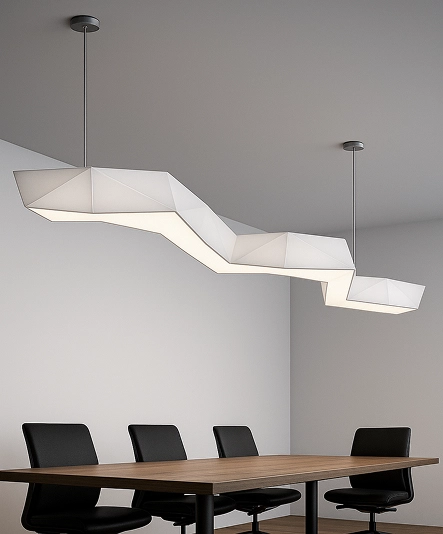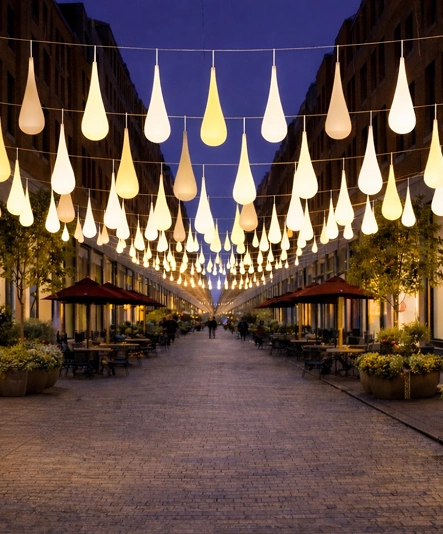
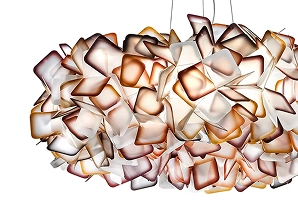
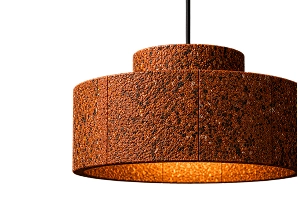
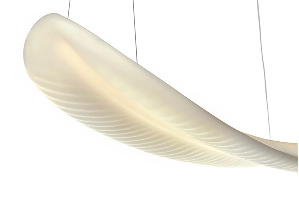
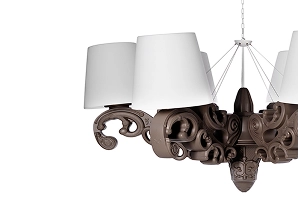
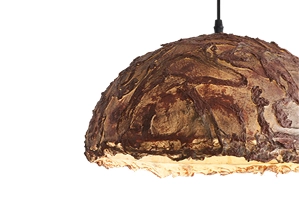
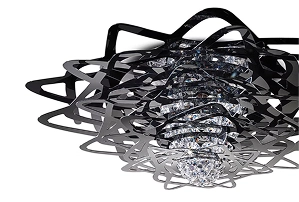
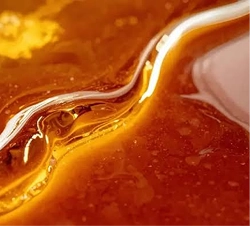
From recycled composites to advanced polymers and acrylics, each material is selected for its unique visual and structural qualities. Through experimentation and innovation, familiar materials are transformed into expressive lighting with distinctive form, texture, and character.


Composite materials are made by combining different ingredients to achieve a specific result: strength, flexibility, texture, translucency, or light diffusion.
In lighting, composite is used because it can do things traditional materials cannot.

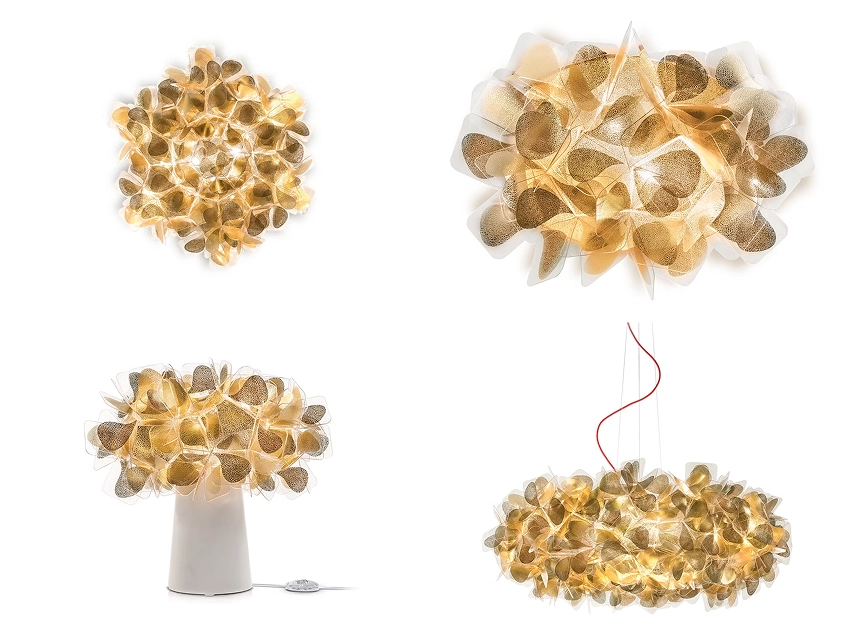
Strong resin-based material used to create durable, sculptural lighting forms with custom color, texture, and depth.
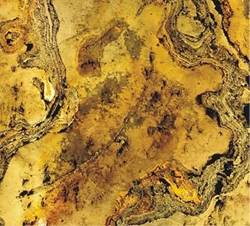
Thin mineral layer that gives the look and texture of stone while staying lighter and allowing soft light to pass through.
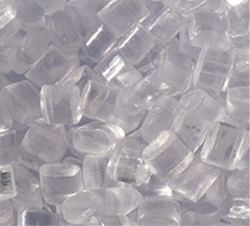
Clear, impact-resistant plastic used when lighting needs strength without glass fragility.
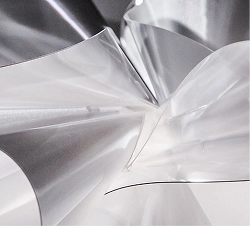
An optical material that bends light, creating depth, reflection, and visual movement.
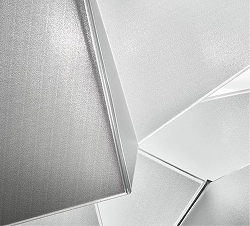
Flexible, crystal-like material that gives a glass effect with less weight.
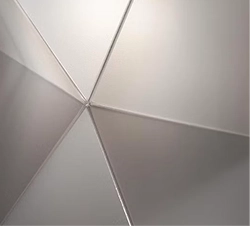
Translucent material designed to diffuse light evenly, soften glare, and create a smooth glow.
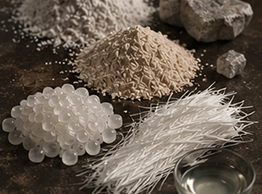
Resins, polymers, fibers, or mineral fillers are selected based on the strength, texture, clarity, and light effect needed.
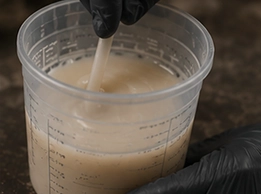
The ingredients are measured and mixed to control color, opacity, durability, and how the material interacts with light.
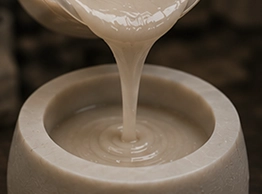
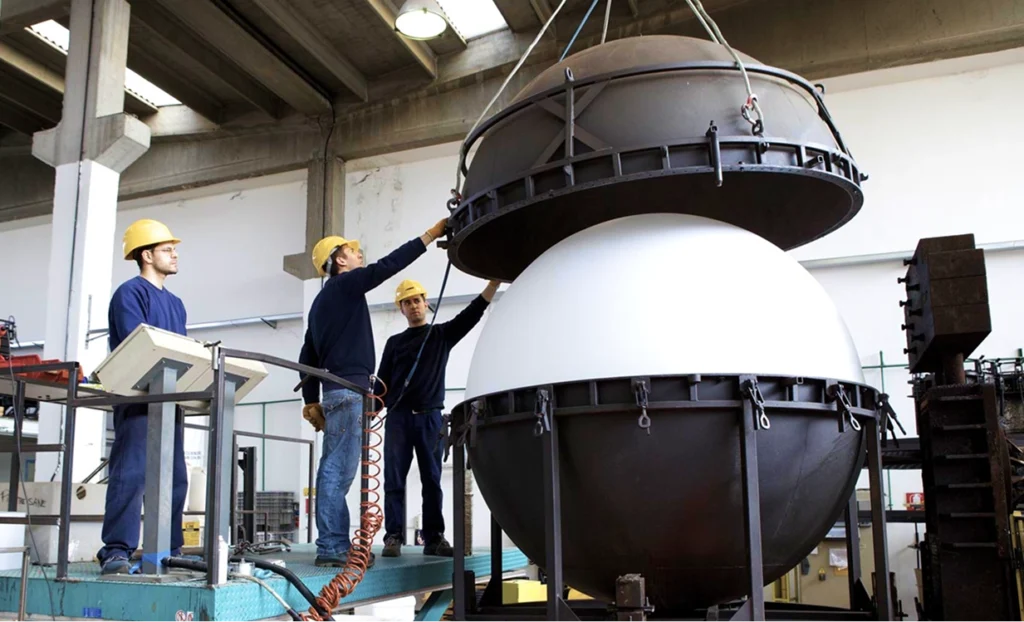
The composite is poured or pressed into molds, allowing curved, sculptural, and detailed lighting forms.
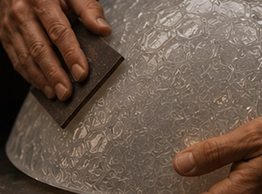
Each piece is trimmed, sanded, or finished by hand to reveal texture, clarity, and surface detail.
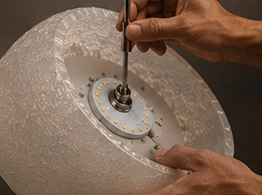
Lighting components are integrated into the fixture, with structure, wiring, and optical performance checked.
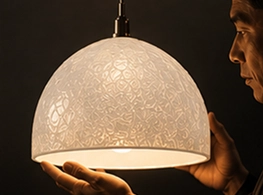
Each fixture is inspected for finish, structure, and illumination before shipment.
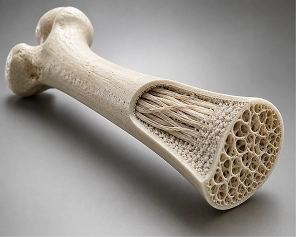
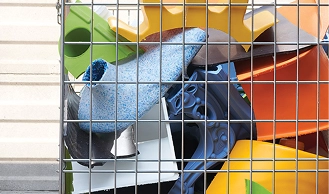
Recycled composite gives material waste a second life without making the product feel “recycled” in a negative way. When properly selected, processed, and tested, recycled composite can be strong, refined, and visually rich.

Raw Material Selection Recycled materials are selected for strength, texture, and finish.
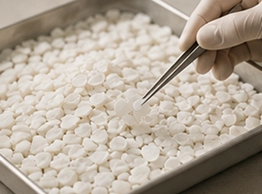
Materials are checked for consistency, and impurities are removed.
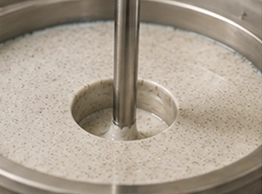
Ingredients are mixed into a uniform compound with the desired color and texture.
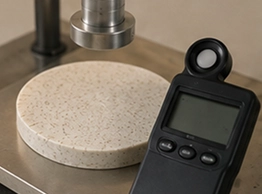
Samples are tested for strength, light diffusion, and fixture performance.
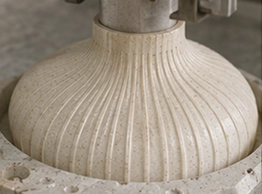
The compound is molded, pressed, or cast into shades, panels, and fixture parts.
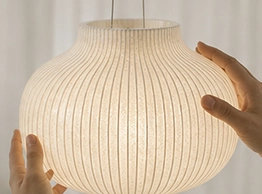
Each piece is checked for finish, structure, clarity, and safe assembly.
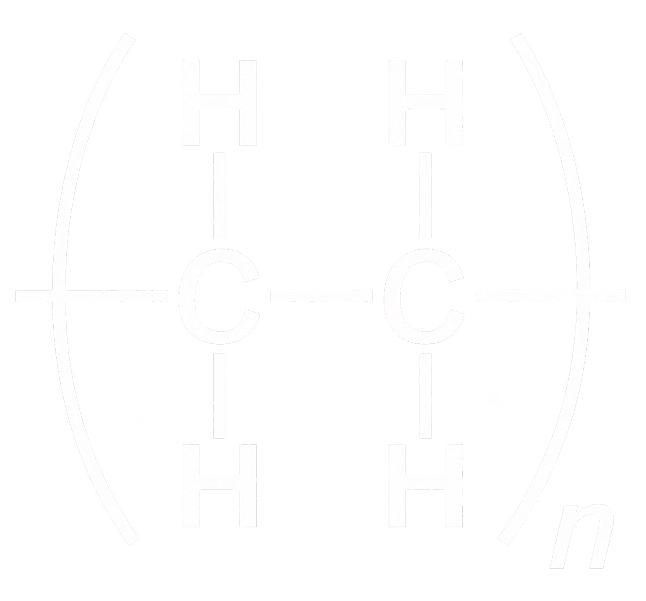
Why It Works in Lighting

Made from recycled polyethylene, selected for durability, consistency, and future recyclability.
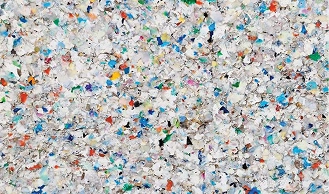
Material is sorted and cleaned to remove impurities and support a consistent finish.
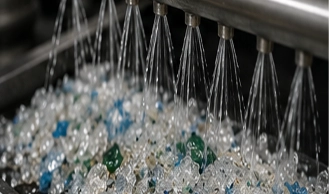
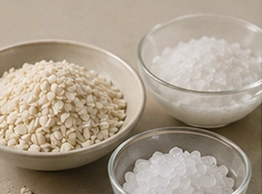
Processed into pellets or powder, then tested for strength, flexibility, and purity.
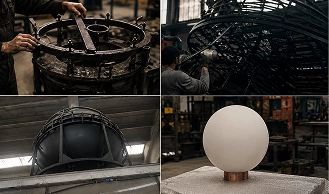
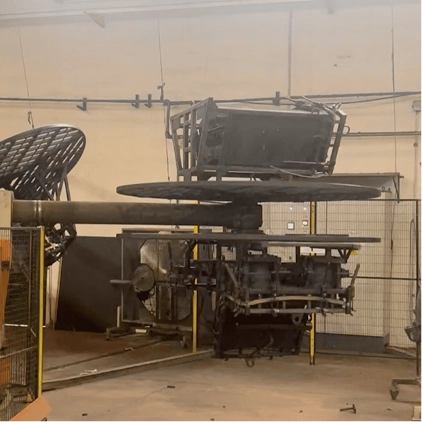
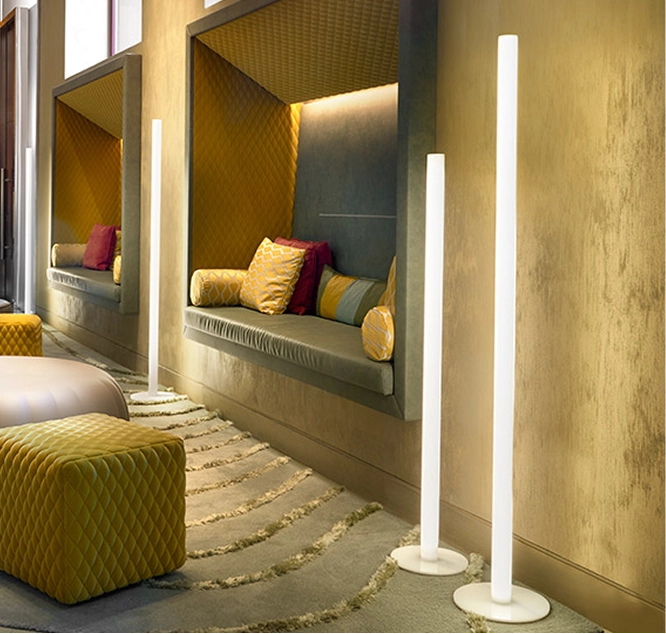
Shaped into smooth, seamless forms ideal for durable indoor and outdoor lighting.
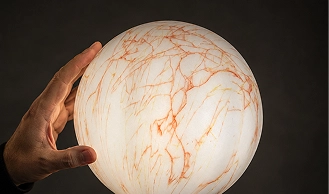
Each piece is checked for surface quality, structure, durability, and safe electrical assembly.

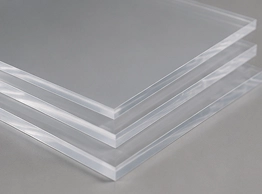
Clear acrylic sheets are selected for thickness, clarity, and a clean glass-like appearance.
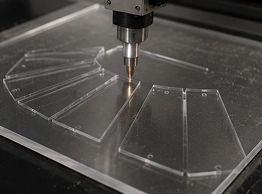
Sheets are laser-cut or CNC-routed into precise panels, rings, arms, and decorative forms.
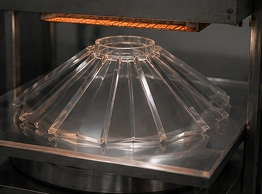
Acrylic is heated and shaped into curves, domes, shades, or sculptural lighting parts.
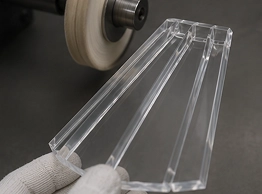
Edges are polished smooth so light travels cleanly without rough scattering.
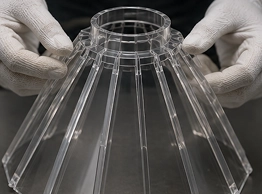
Pieces are bonded or joined around the light source while preserving clarity and structure.
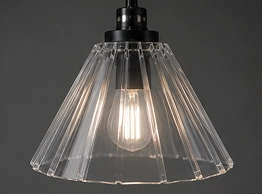
Each fixture is checked for clarity, seams, stability, and safe electrical assembly

Why It Works in Lighting
Finished acrylic / methacrylate products are non-toxic in normal use
Stable once fully cured or processed
Can be recyclable depending on material stream and product design
Fire-resistant or fire-rated formulations may be used when required
*Always verify fire rating by product specification
Choose methacrylate when you need clarity, glow, and optical precision
Choose polyethylene when you need durability, volume, and molded form
Both can support lightweight design compared to glass or stone
Both materials expand what lighting can look like beyond traditional glass, metal, or fabric
Every element can be tailored to your vision.
Customize forms, proportions, finishes, suspension heights, and compositions to create a lighting installation that responds perfectly to the character, scale, and atmosphere of each space.
Dimensions & shape
Custom apertures, lengths and depths for any substrate.
Finish & color
Paintable to match the wall — any water-based color.
Optics & output
Beam angle, lumen package and driver to spec.
Color temperature
From warm 1800K amber
to crisp neutral white.


Each material offers different strengths — polyethylene and composite are highly resistant to impact and UV exposure, making them ideal for outdoor use, while PMMA and acrylic offer excellent clarity and scratch resistance for refined indoor finishes.
It depends on your setting: composite and polyethylene suit outdoor and contract environments, while PMMA, acrylic, and methacrylate are better suited to indoor spaces where light clarity and detail are priorities.
Polyethylene is softer, more impact-resistant, and ideal for molded volumes and seamless outdoor forms. Methacrylate is clearer, more glass-like, and better for polished, glowing, or optical lighting effects.
Yes — composite, recycled composite, and polyethylene-based materials are engineered to withstand weather, UV rays, and everyday wear without losing performance.
Polyethylene and composite materials are color-stable and UV-treated to resist fading, while PMMA and acrylic retain their clarity and finish with proper care.
Yes, many luminaires combine materials — for example, a polyethylene body with an acrylic or methacrylate diffuser — to balance durability with light quality.
Most modern materials are chosen to reduce weight compared to stone or glass. Composite can support larger forms with less weight, polyethylene creates large seamless shapes, and acrylic gives a glass-like effect without glass weight.
Polyethylene and composite are mono-materials, meaning they can be recycled again at the end of their life cycle without complex disassembly.
Yes, when specified correctly. Finished acrylic and methacrylate products are non-toxic in normal use, stable once fully cured or processed, and fire-resistant or fire-rated formulations may be used when required. Always verify fire rating by product specification.
Yes. Forms, proportions, finishes, suspension heights, and compositions can be tailored to the project. Dimensions, color, optics, beam angle, lumen package, driver, and color temperature can also be specified.
Yes, material samples can be requested to evaluate color, texture, and finish before ordering.