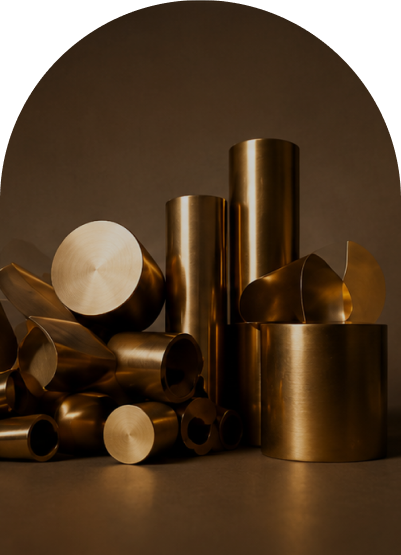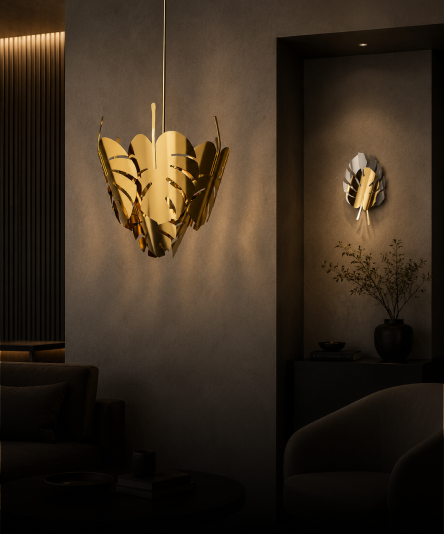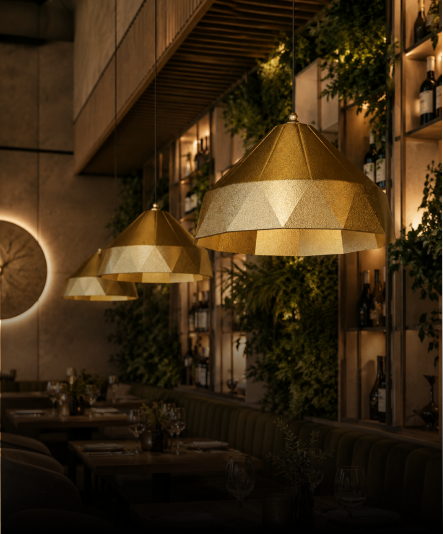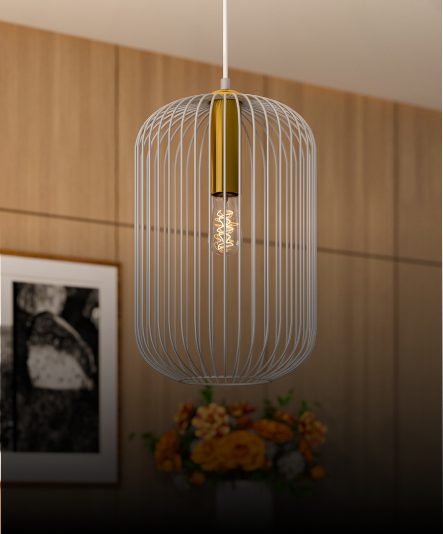
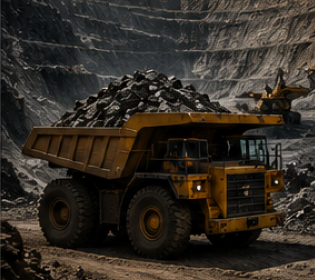
From raw metal to refined lighting, every step is driven by precision, experience, and a passion for timeless design.
01
RAW MATERIAL
Ore & Raw Metals

We source the finest ores and raw metals, carefully preparing them for the journey ahead.
02
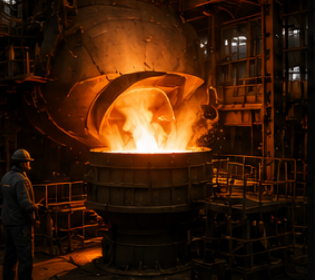
SMELTING
Metal Born from Fire

Raw materials are melted at extreme temperatures, refined and transformed into pure, molten metal.
03
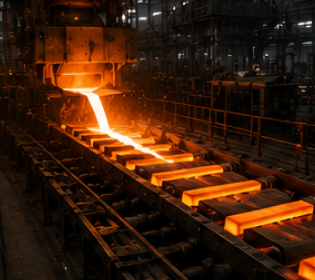
CASTING & FORMING
Shaping the Material

Molten metal is cast into ingots or slabs, giving form to the material and preparing it for further shaping.
04
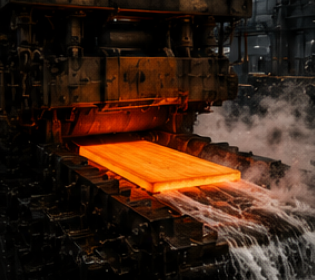
ROLLING & COOLING
Strength Takes Shape

The metal is rolled into sheets, tubes or profiles and cooled in a controlled process to strengthen its structure.
05
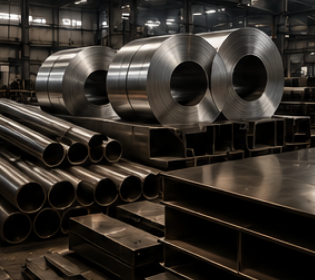
READY FOR CRAFT
From Metal to Light

The finished metal is now ready for our artisans, where it will be crafted into timeless lighting.
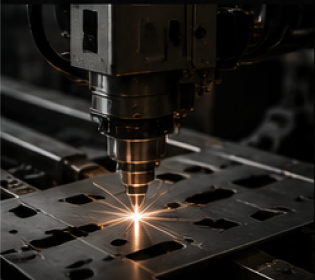
06
CUTTING

Precision cutting brings the design to life.
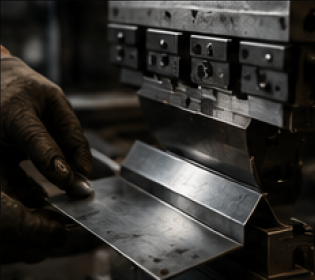
07
FORMING

Shaping metal with power and precision.
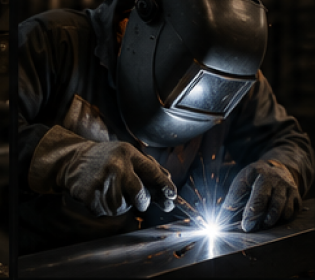
08
WELDING

Skilled welding ensures strength and durability.
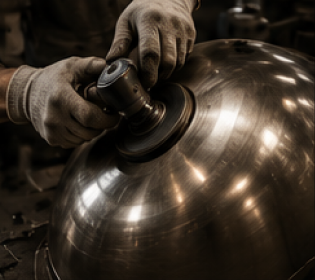
09
POLISHING & FINISHING

Every surface is refined for a flawless finish.
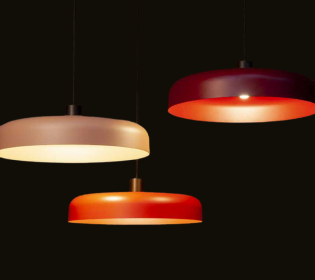
10
LIGHT

Crafted metal. Timeless light.
Expertly Crafted
Refined Material
Our metal is carefully selected and shaped by skilled hands. Strong, enduring, and beautifully refined — a material made to transform light into timeless design.
Each metal has its own character. Choose the one that perfectly complements your vision.

Timeless warmth with a rich, golden glow.
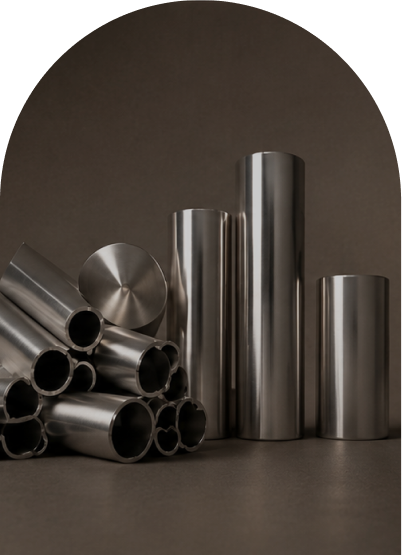
Lightweight strength with modern appeal.
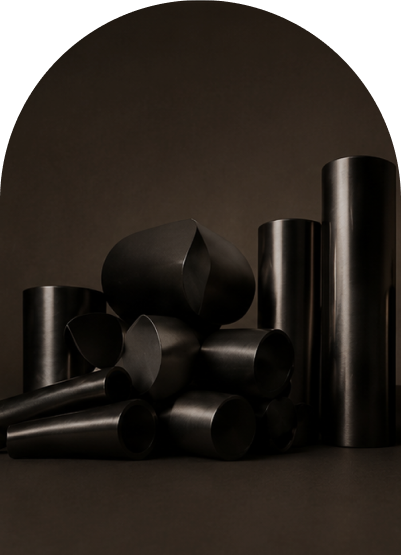
Versatile and reliable, crafted to inspire.
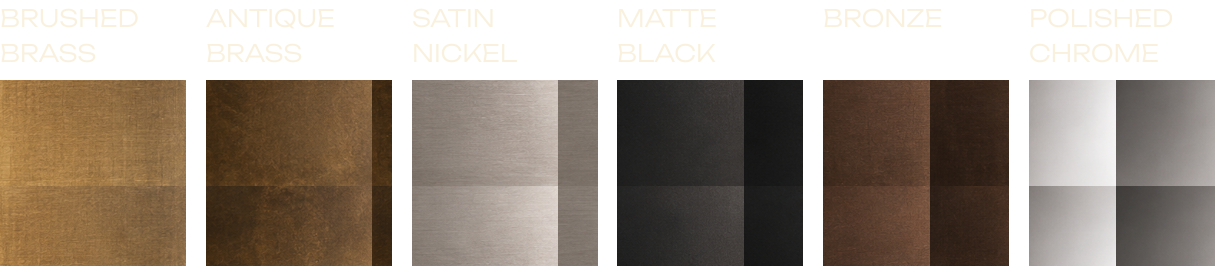
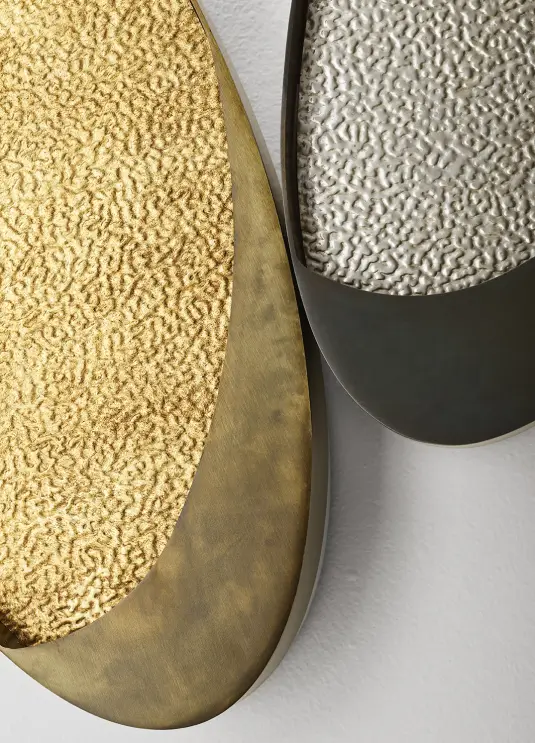
Our metal finishes are applied by expert hands to achieve beauty, depth, and durability. Choose from a curated selection of timeless finishes.
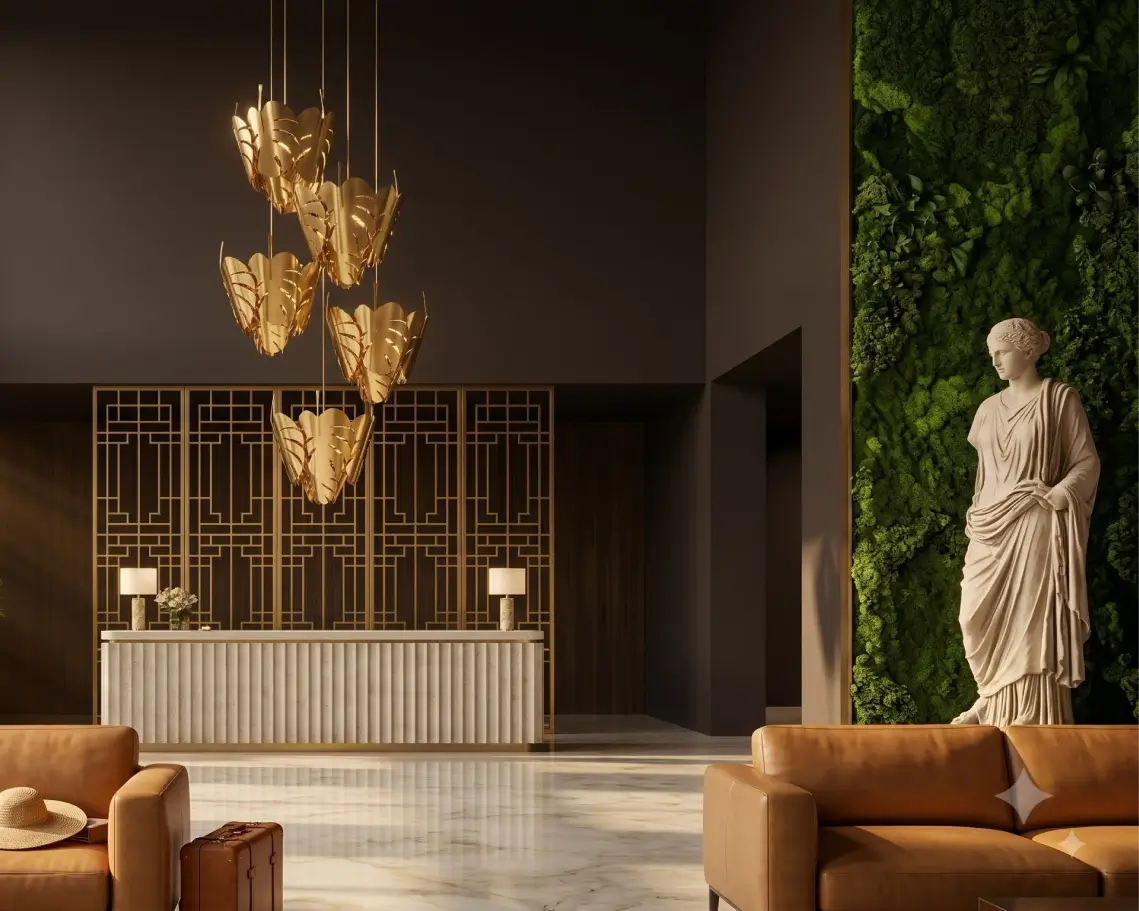
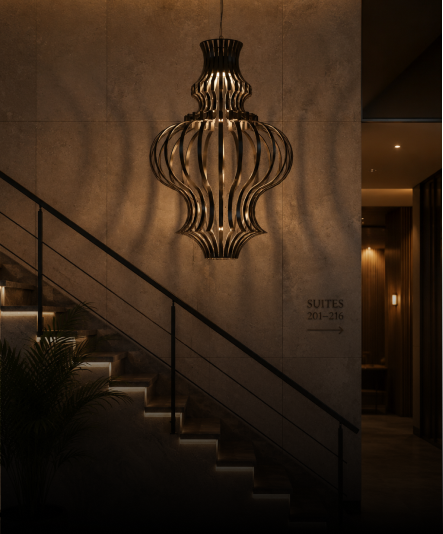
Metal shapes light with strength and precision, bringing depth, character, and a refined architectural presence to every interior.
Design lighting without limits.
Mix different shapes, sizes and suspension heights to create bespoke installations tailored to every interior.
From pure geometry to organic, hand-blown silhouettes, glass transforms into endless forms — each designed to shape light in its own way.
Dimensions & shape
Custom apertures, lengths and depths for any substrate.
Finish & color
Paintable to match the wall — any water-based color.
Optics & output
Beam angle, lumen package and driver to spec.
Color temperature
From warm 1800K amber
to crisp neutral white.


Unlacquered (“living”) brass is intentionally left untreated so it develops a natural patina through oxidation and handling — a gradual darkening and softening of tone that many designers specifically choose brass for. This is not a defect; it’s the same process you’d see on a well-used brass door handle or an aged brass instrument. If you prefer the fixture to keep its original bright tone indefinitely, we’d point you to our lacquered brass option instead, since once living brass has patinated, reversing it requires active polishing rather than simply happening on its own.
Lacquered brass has a clear protective topcoat applied that locks in the finish at the moment of manufacture and prevents oxidation, so it stays visually consistent for years with no patina development at all. Unlacquered brass has no such barrier and will change over time as described above. Converting lacquered to unlacquered is possible but involves professionally stripping the lacquer, which isn’t something we’d recommend as a DIY step; going the other direction — patinated brass to a fresh lacquered finish — requires polishing back to bare metal first and then a professional lacquer application, effectively resetting the piece.
In some cases, yes, but it requires removing the protective coating professionally. It should not be treated as a simple cleaning step.
Select aluminum and stainless-steel pieces in the collection carry an IP rating suitable for covered outdoor spaces (porches, covered patios) — this is specified per fixture, not collection-wide, so it’s worth checking the individual product’s IP rating before an outdoor installation. Brass is generally not recommended for uncovered outdoor exposure regardless of lacquer, since sustained moisture and temperature cycling will degrade even a lacquered finish faster than an interior environment would. Powder-coated steel and finished aluminum are the more reliable choices when weather exposure is a certainty rather than an edge case.
Aluminum is often preferred when the design needs size without excessive weight. Brass is ideal when the project needs warmth, richness, and a more substantial material feel.
Brushed metal (brass or aluminum) should be wiped along the grain of the brushing with a soft, dry cloth — wiping against the grain can create visible micro-scratches over time. Polished finishes benefit from a metal-specific polish used sparingly, since over-polishing brushed or lacquered surfaces can wear through a thin protective coating faster than expected. Powder-coated metal is the most forgiving of the three and can be cleaned with a damp cloth and mild soap, but should avoid abrasive pads, which can scuff the coating’s surface sheen.
Minor scuffs on brushed or powder-coated finishes are often improvable with the appropriate touch-up process for that finish, and we can advise on this per fixture rather than as a blanket answer, since the right approach differs by material and coating. A genuine structural dent — metal that has been physically deformed rather than surface-marked — generally cannot be fully restored without professional metalworking, since aluminum and thin-gauge brass don’t spring back to their original form the way some flexible materials do; at that point we’d typically discuss a replacement part rather than a repair.
Yes. Metal lighting can be customized in dimensions, shape, finish, color, optics, output, and color temperature to fit the project.