DISCOVER THE MATERIALS

Advanced materials New Possibilities

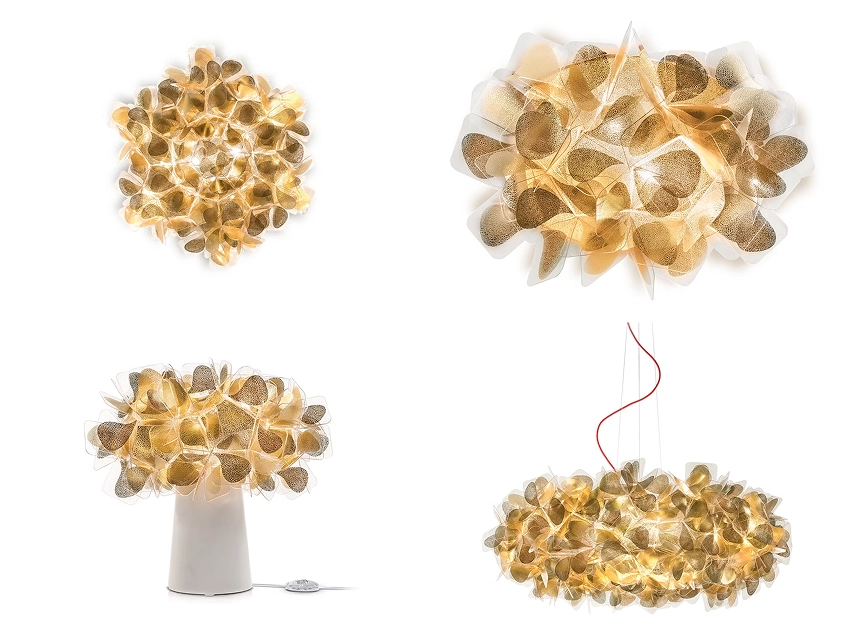
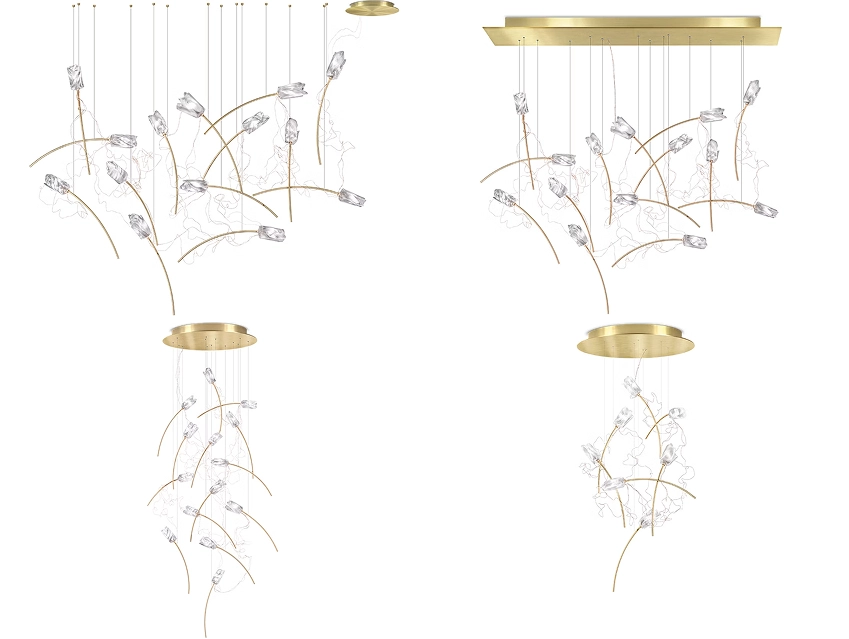
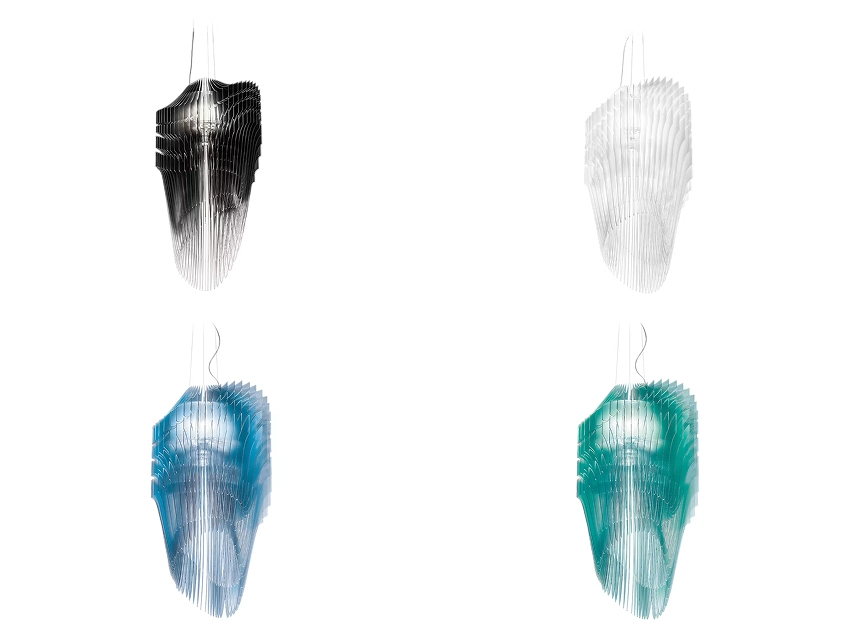
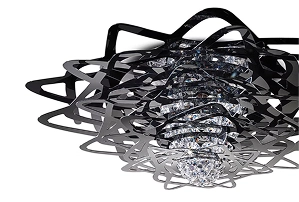
From recycled composites to advanced polymers and acrylics, each material is selected for its unique visual and structural qualities. Through experimentation and innovation, familiar materials are transformed into expressive lighting with distinctive form, texture, and character.

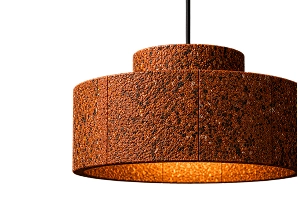
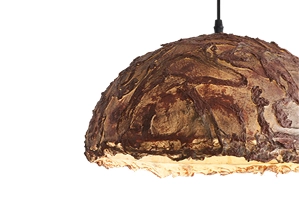
Composite

Recycled Composite

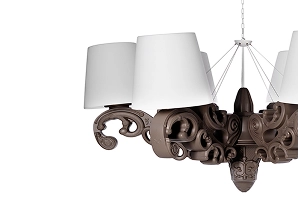
Recycled Polyethylene

Polyethylene

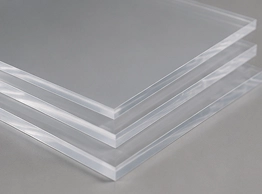
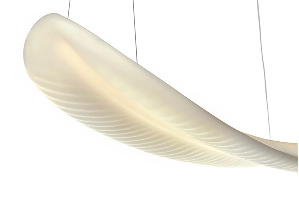
PMMA & Acrylic

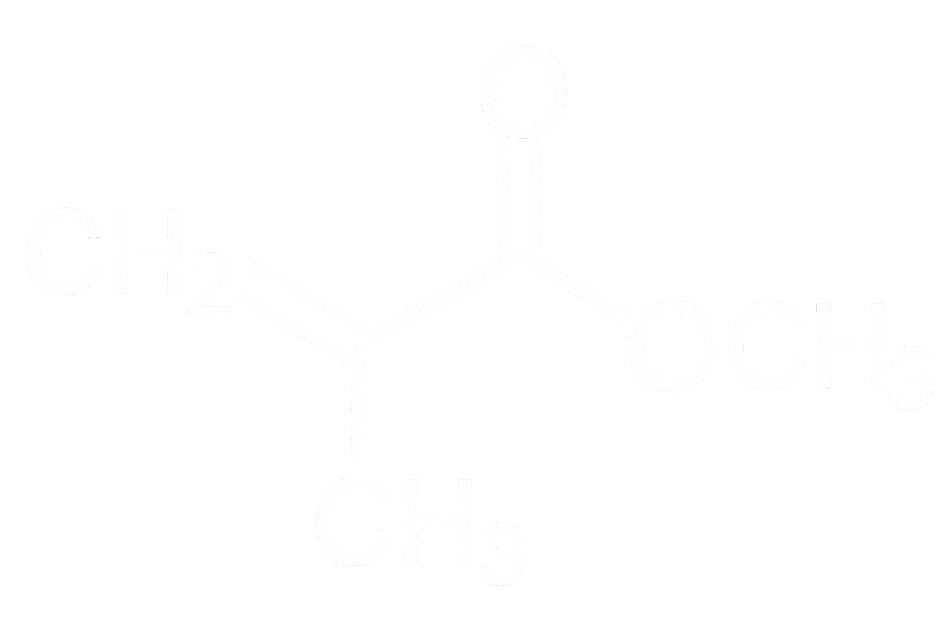
Methacrylate

THE SCIENCE OF COMPOSITE

Composite materials are made by combining different ingredients to achieve a specific result: strength, flexibility, texture, translucency, or light diffusion.

In lighting, composite is used because it can do things traditional materials cannot.

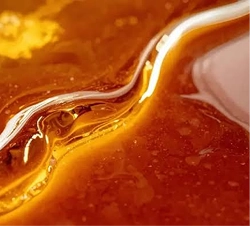
Epoxy Resin Composite

Strong resin-based material used to create durable, sculptural lighting forms with custom color, texture, and depth.
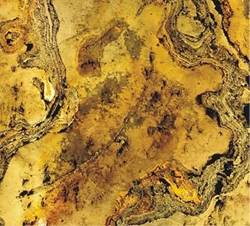
Translucent Stone Flake

Thin mineral layer that gives the look and texture of stone while staying lighter and allowing soft light to pass through.
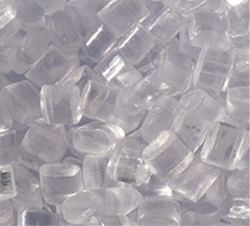
Polycarbonate (PC)

Clear, impact-resistant plastic used when lighting needs strength without glass fragility.
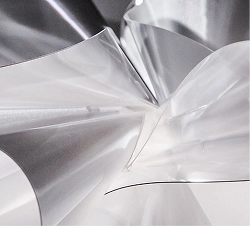
Lentiflex®

An optical material that bends light, creating depth, reflection, and visual movement.
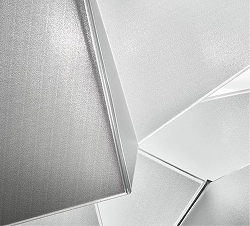
Cristalflex®

Flexible, crystal-like material that gives a glass effect with less weight.
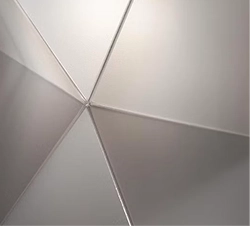
Opalflex®

Translucent material designed to diffuse light evenly, soften glare, and create a smooth glow.
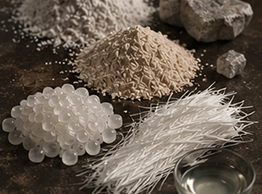
composite: How It's Made

RAW MATERIALS

Resins, polymers, fibers, or mineral fillers are selected based on the strength, texture, clarity, and light effect needed.
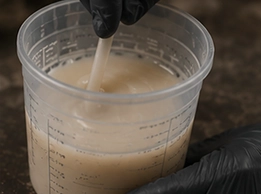
FORMULATION

The ingredients are measured and mixed to control color, opacity, durability, and how the material interacts with light.
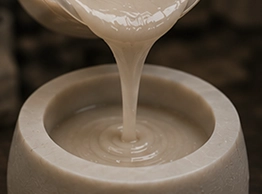
HAND CASTING

The composite is poured or pressed into molds, allowing curved, sculptural, and detailed lighting forms.
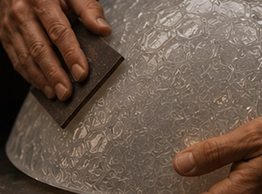
REFINEMENT

Each piece is trimmed, sanded, or finished by hand to reveal texture, clarity, and surface detail.
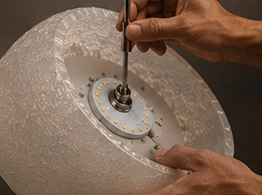
ASSEMBLY

Lighting components are integrated into the fixture, with structure, wiring, and optical performance checked.
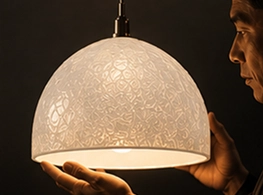
QUALITY CONTROL

Each fixture is inspected for finish, structure, and illumination before shipment.
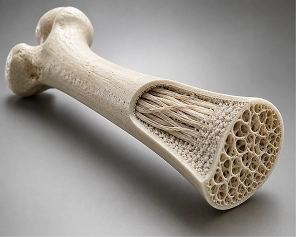
WHAT YOU SHOULD KNOW:

  1. Nature invented it first — bone is collagen and calcium.
  2. Egyptians made composite bricks from mud and straw 3,000 years ago.
  3. Composite resists UV, moisture, salt air, and impact simultaneously.
  4. It can hold shapes no natural material can.

100% RECYCLED COMPOSITE

Recycled composite gives material waste a second life without making the product feel “recycled” in a negative way. When properly selected, processed, and tested, recycled composite can be strong, refined, and visually rich.

Raw Material Selection

Raw Material Selection Recycled materials are selected for strength, texture, and finish.
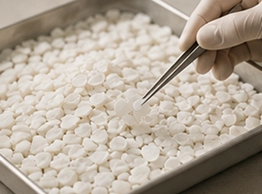
Sorting & Grading

Materials are checked for consistency, and impurities are removed.
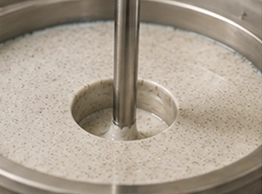
Blending & Compounding

Ingredients are mixed into a uniform compound with the desired color and texture.
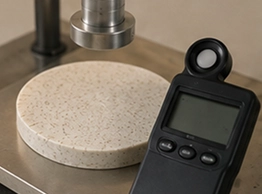
Performance Testing

Samples are tested for strength, light diffusion, and fixture performance.
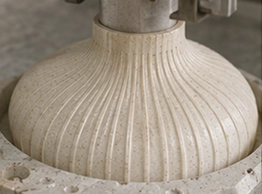
Forming & Shaping

The compound is molded, pressed, or cast into shades, panels, and fixture parts.
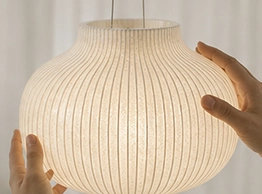
FINAL INSPECTION

Each piece is checked for finish, structure, clarity, and safe assembly.
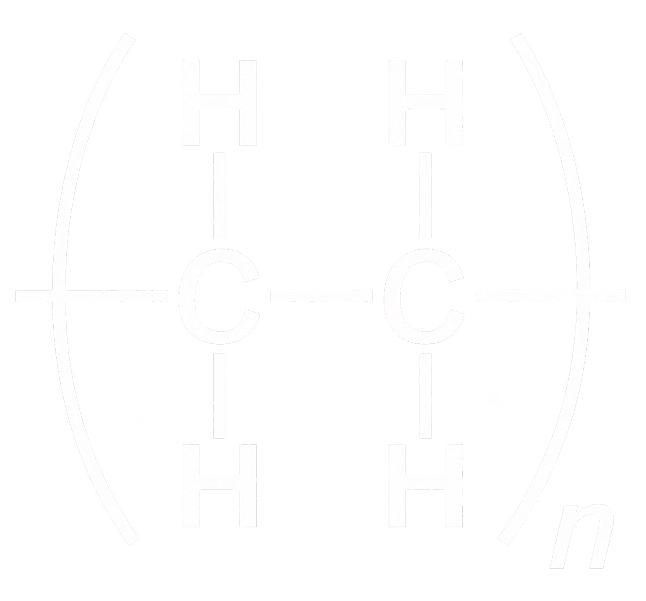
POLYETHYLENE WHAT IS IT?

  • A durable thermoplastic used in modern lighting
  • Often used as a high-density or linear low-density plastic
  • Lightweight, strong, and impact-resistant
  • Suitable for indoor and outdoor applications

Why It Works in Lighting

  • Creates soft, even light diffusion
  • Allows large shapes without excessive weight
  • Resists moisture better than many natural materials
  • Works well for molded, seamless fixture forms

POLYETHYLENE WHAT IS IT?

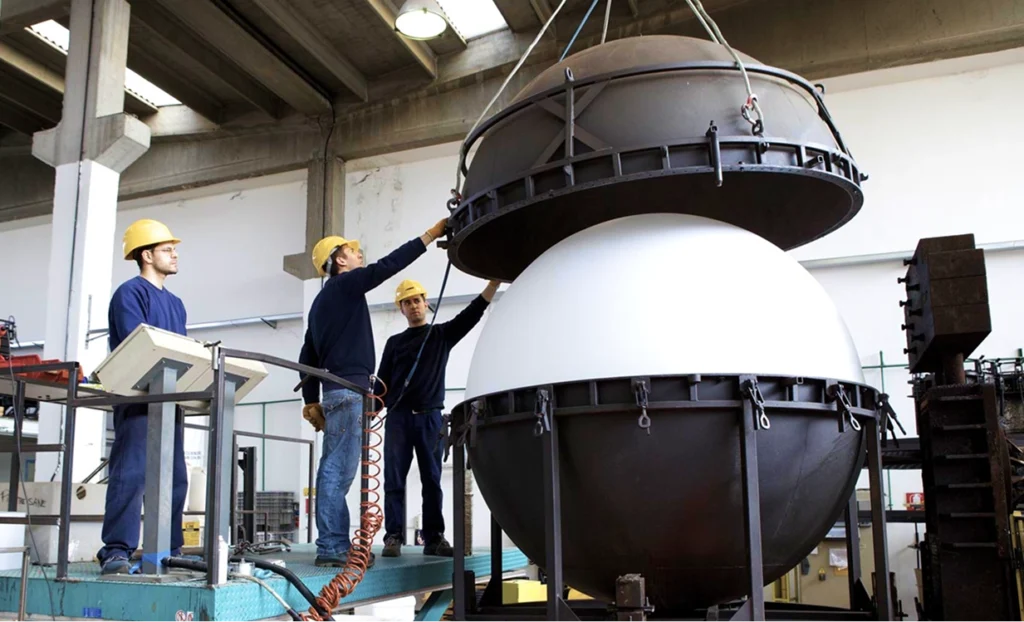
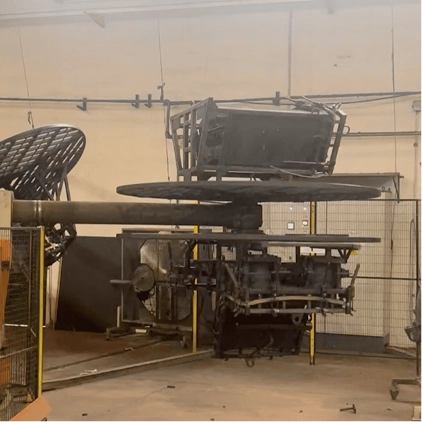
  1. Powdered polyethylene is placed inside a mold
  2. The mold rotates while heated
  3. Material coats the inside evenly
  4. Best for large hollow forms, outdoor pieces, and sculptural shapes
  5. Creates strong, seamless fixtures with smooth surfaces

100% RECYCLED POLYETHYLENE

RESPONSIBLE SOURCING

Made from recycled polyethylene, selected for durability, consistency, and future recyclability.
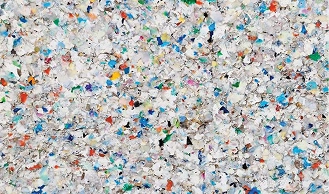
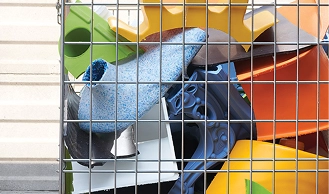
Sorting & Cleaning

Material is sorted and cleaned to remove impurities and support a consistent finish.
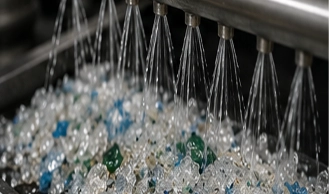
Material Refinement

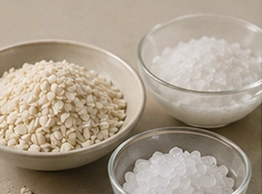
Processed into pellets or powder, then tested for strength, flexibility, and purity.
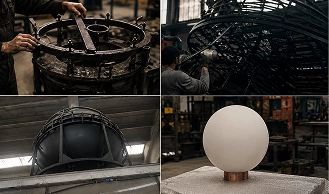
Molding & Production

Shaped into smooth, seamless forms ideal for durable indoor and outdoor lighting.
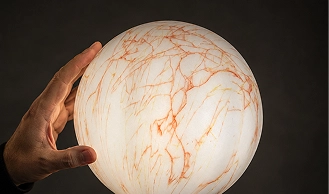
Final Inspection

Each piece is checked for surface quality, structure, durability, and safe electrical assembly.

40 Polyethylene Colors: One Seamless Body

Standard

SPECIAL STANDARD

LIGHTING

SPECIAL LIGHTING FINISHING

WHAT YOU SHOULD KNOW:

  1. Most produced plastic on Earth — 100 million tons per year.
  2. Discovered by accident — twice — in 1898 and 1933.
  3. Rotational molding creates seamless forms with no joints and no weak points.
  4. Performs from -58°F to 176°F without cracking.

PMMA & ACRYLIC: HOW IT’S MADE

RESPONSIBLE SOURCING

Clear acrylic sheets are selected for thickness, clarity, and a clean glass-like appearance.
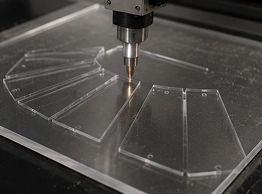
Cutting & Shaping

Sheets are laser-cut or CNC-routed into precise panels, rings, arms, and decorative forms.
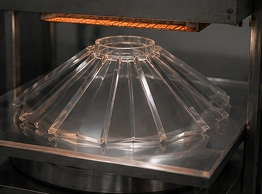
Heat Forming

Acrylic is heated and shaped into curves, domes, shades, or sculptural lighting parts.
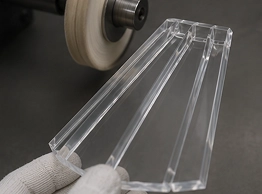
Edge Finishing & Polishing

Edges are polished smooth so light travels cleanly without rough scattering.
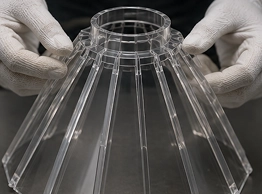
Assembly & Bonding

Pieces are bonded or joined around the light source while preserving clarity and structure.
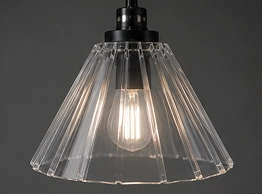
FINAL INSPECTION

Each fixture is checked for clarity, seams, stability, and safe electrical assembly

WHAT YOU SHOULD KNOW:

  1. It was first used in WWII aircraft aircraft canopies and submarine periscopes.
  2. PMMA transmits more light than glass — up to 92%.
  3. It’s half the weight of glass and more impact resistant.
  4. It doesn’t yellow. A 20-year-old acrylic diffuser looks new.

Methacrylate What It Is?

  • Methacrylate is the base chemistry used to make acrylic materials such as PMMA
  • PMMA is often known as acrylic glass
  • It is clear, lightweight, and highly optical
  • Used when the fixture needs clarity, glow, or refined light transmission

Why It Works in Lighting

  • Excellent light transmission
  • Clean, refined glow
  • Lighter than glass
  • Good optical clarity
  • Suitable for decorative and technical lighting detail

Safety & Performance

NON-TOXIC

Finished acrylic / methacrylate products are non-toxic in normal use

STABLE

Stable once fully cured or processed

RECYCLABEE

Can be recyclable depending on material stream and product design

Fire-resistant

Fire-resistant or fire-rated formulations may be used when required

*Always verify fire rating by product specification

Methacrylate

  • Сlearer, more glass-like, better for optical effects
  • Ideal for transparent, glowing, or polished lighting elements

Choose methacrylate when you need clarity, glow, and optical precision

Polyethylene

  • Softer, more impact-resistant, better for molded volumes
  •  Ideal for seamless outdoor forms

Choose polyethylene when you need durability, volume, and molded form

Both can support lightweight design compared to glass or stone

Both materials expand what lighting can look like beyond traditional glass, metal, or fabric

WHAT YOU SHOULD KNOW:

  1. Optically clearer than standard acrylic.
  2. Its silky texture isn’t applied — it’s in the material itself.
  3. It can be molded into forms glass cannot achieve.
  4. Liquid MMA is highly flammable with a strong fruity odor.

Customize Without Limits

Every element can be tailored to your vision.

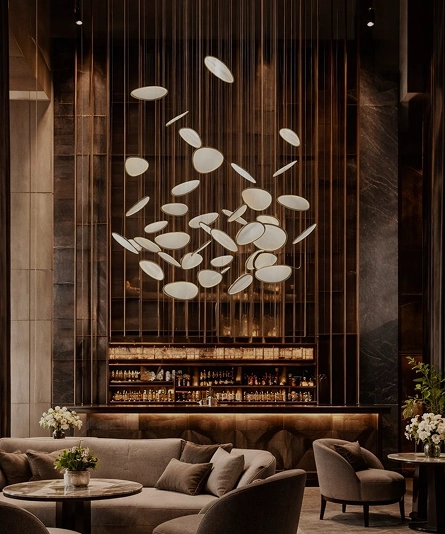
Customize forms, proportions, finishes, suspension heights, and compositions to create a lighting installation that responds perfectly to the character, scale, and atmosphere of each space.

Contemporary illumination

  • Engineered for durability and long-term performance.
  • Suitable for indoor and outdoor environments.
  • Designed for efficient, refined light diffusion.
  • Versatile enough for residential, hospitality, and commercial spaces.

MODERN
INNOVATION

we can customize everything

Dimensions & shape
Custom apertures, lengths and depths for any substrate.

Finish & color
Paintable to match the wall — any water-based color.

Optics & output
Beam angle, lumen package and driver to spec.

Color temperature
From warm 1800K amber
to crisp neutral white.

Projects Featuring
Modern Materials

HOSPITALITY

RETAIL

WELLNESS

exterior spaces

COMMON
QUESTIONS

01. ARE ALL THESE MATERIALS EQUALLY DURABLE?

Each material offers different strengths — polyethylene and composite are highly resistant to impact and UV exposure, making them ideal for outdoor use, while PMMA and acrylic offer excellent clarity and scratch resistance for refined indoor finishes.

It depends on your setting: composite and polyethylene suit outdoor and contract environments, while PMMA, acrylic, and methacrylate are better suited to indoor spaces where light clarity and detail are priorities.

Polyethylene is softer, more impact-resistant, and ideal for molded volumes and seamless outdoor forms. Methacrylate is clearer, more glass-like, and better for polished, glowing, or optical lighting effects.

Yes — composite, recycled composite, and polyethylene-based materials are engineered to withstand weather, UV rays, and everyday wear without losing performance.

Polyethylene and composite materials are color-stable and UV-treated to resist fading, while PMMA and acrylic retain their clarity and finish with proper care.

Yes, many luminaires combine materials — for example, a polyethylene body with an acrylic or methacrylate diffuser — to balance durability with light quality.

Most modern materials are chosen to reduce weight compared to stone or glass. Composite can support larger forms with less weight, polyethylene creates large seamless shapes, and acrylic gives a glass-like effect without glass weight. 

Polyethylene and composite are mono-materials, meaning they can be recycled again at the end of their life cycle without complex disassembly.

Yes, when specified correctly. Finished acrylic and methacrylate products are non-toxic in normal use, stable once fully cured or processed, and fire-resistant or fire-rated formulations may be used when required. Always verify fire rating by product specification.

Yes. Forms, proportions, finishes, suspension heights, and compositions can be tailored to the project. Dimensions, color, optics, beam angle, lumen package, driver, and color temperature can also be specified.

Yes, material samples can be requested to evaluate color, texture, and finish before ordering.

Didn't find the answer you're looking for?