
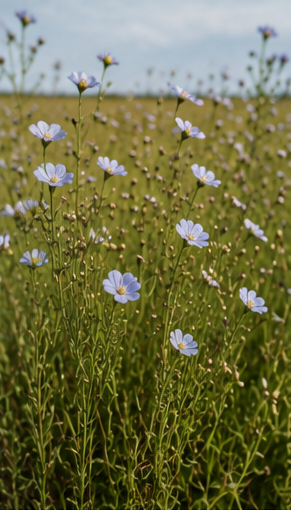
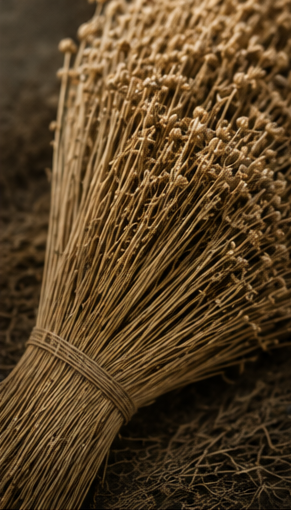
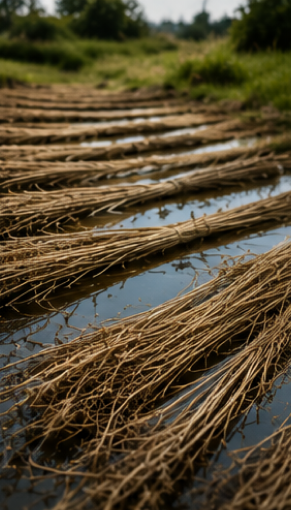
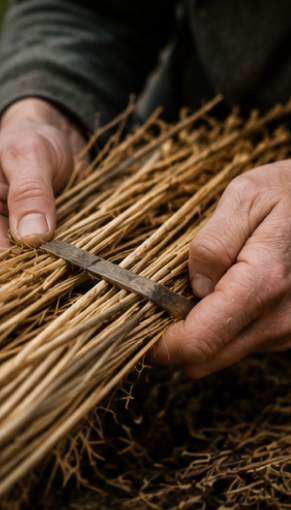
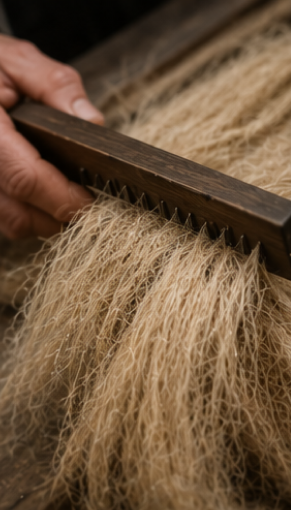
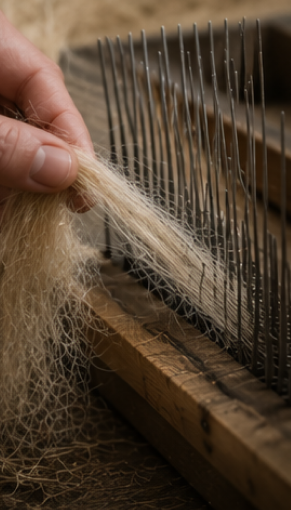
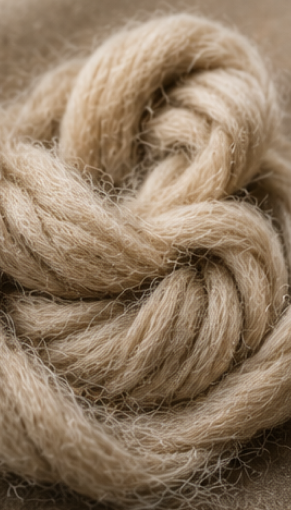
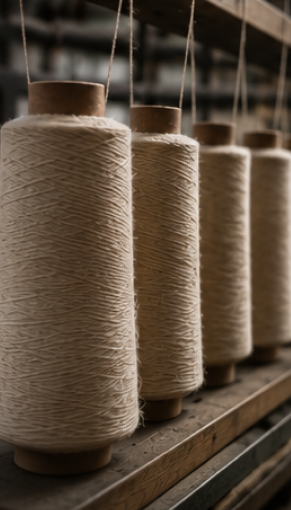
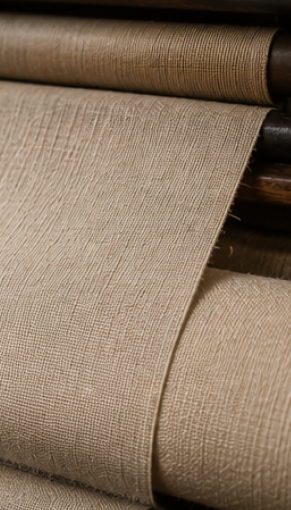
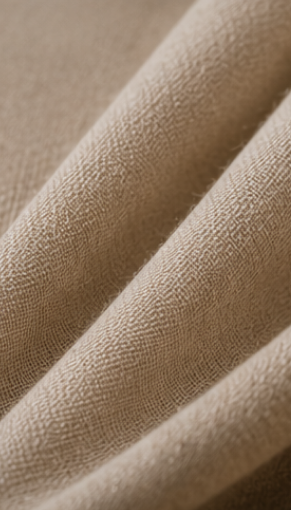
Every material is considered not only for how it looks, but for how it feels, moves, holds its form and transforms illumination.
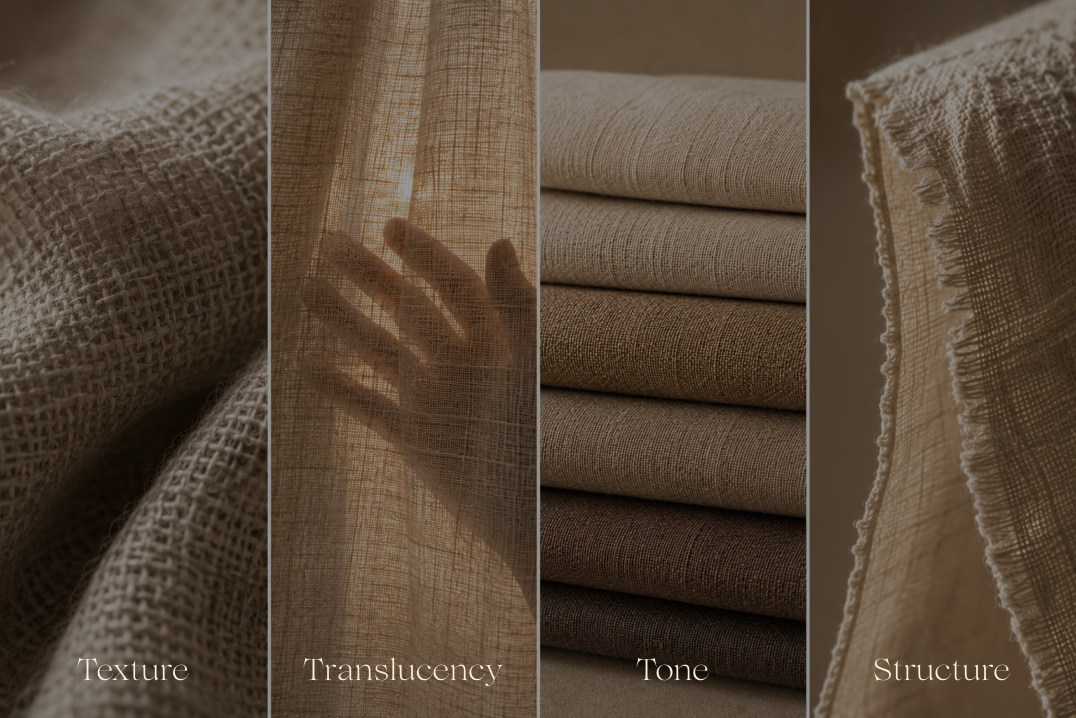
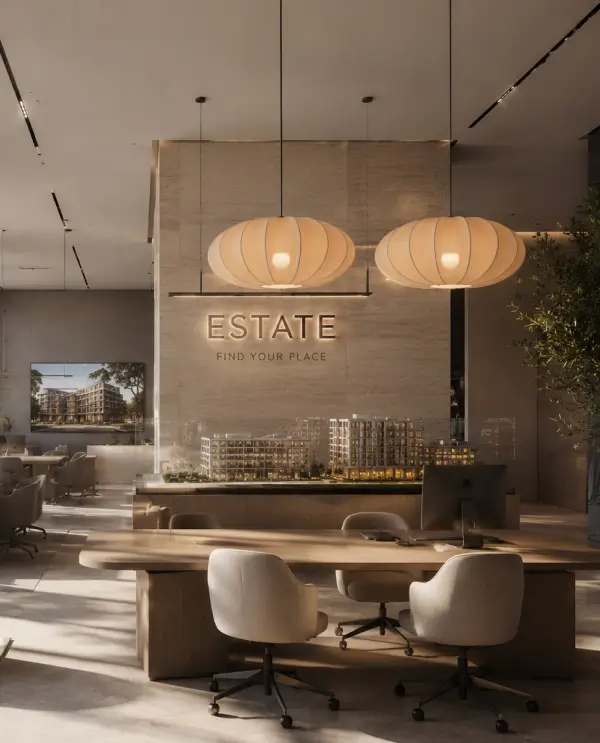
SOFT LIGHT
TACTILE PRESENCE
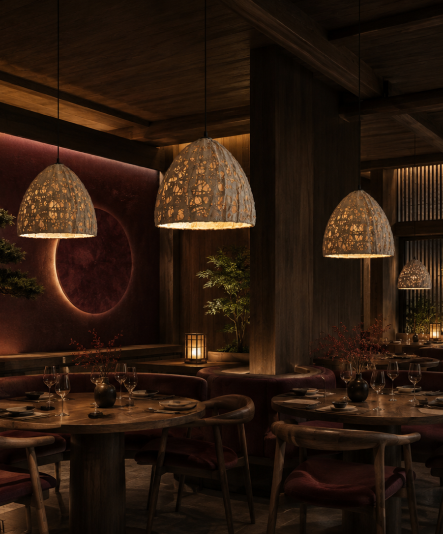
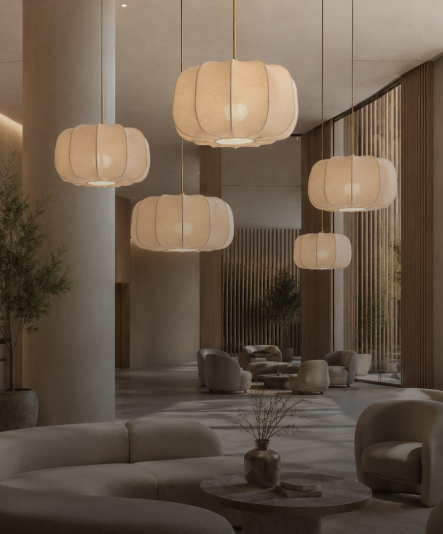
Fabric transforms illumination through texture and weave, softening its intensity while revealing depth, shadow and the natural character of the material.
Design lighting without limits.
Mix different shapes, sizes and suspension heights to create bespoke installations tailored to every interior.
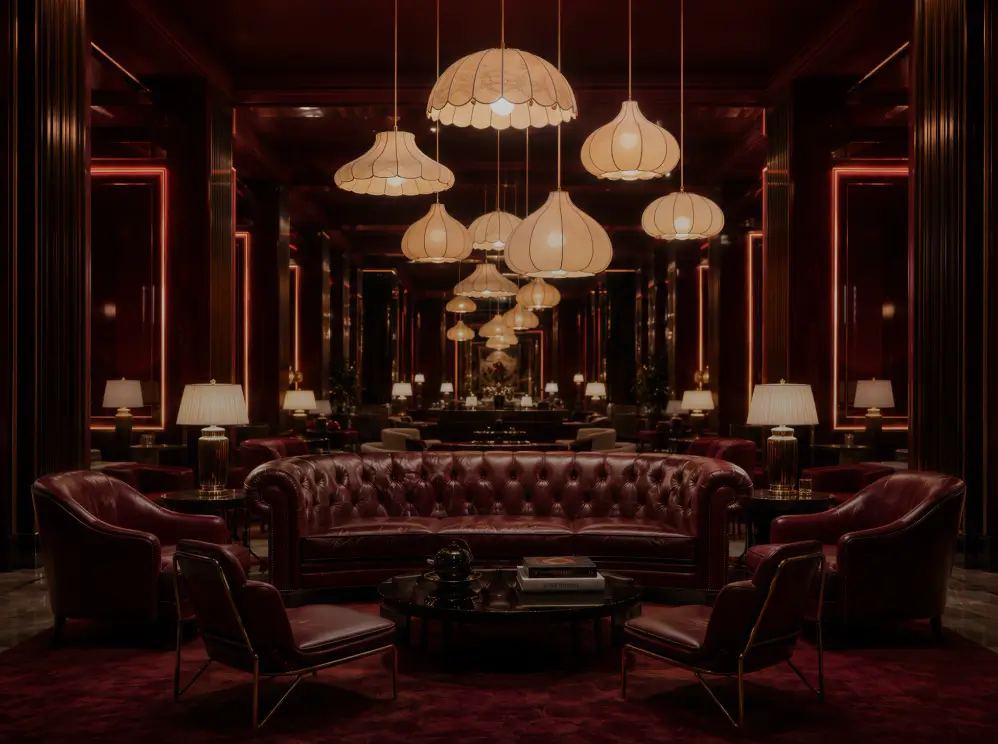
From quiet simplicity to sculptural expression, each form reveals a different character of the material — shaped by proportion, texture and light.
Dimensions & shape
Custom apertures, lengths and depths for any substrate.
Color temperature
From warm 1800K amber
to crisp neutral white.
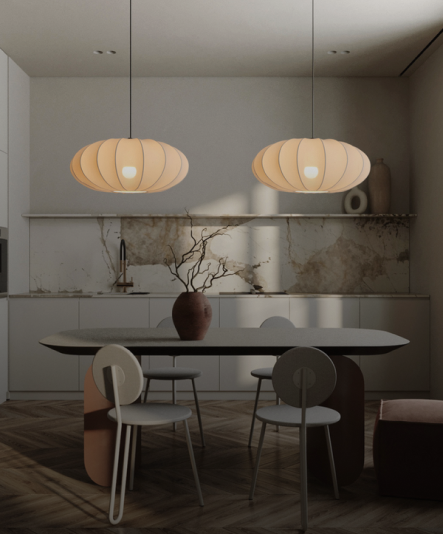
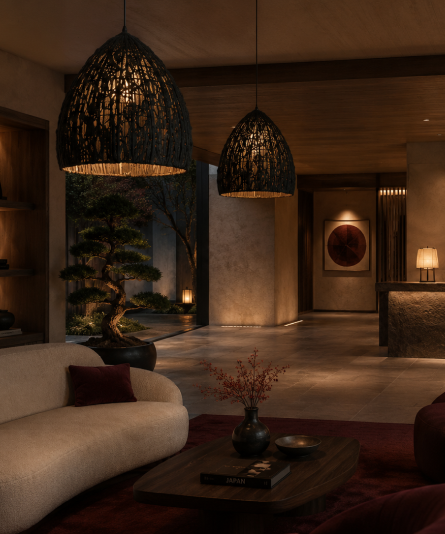
Where marked “organic” in the product spec, the base textile is GOTS-certified (Global Organic Textile Standard), which covers both the growing of the fiber without synthetic pesticides and the processing chain — meaning the dyes, finishing agents, and any bonding adhesives used in construction also meet the standard, not just the raw cotton or linen itself. Non-certified fabrics in the collection are still sourced from mills we’ve vetted directly, but we’re specific about which designs carry the GOTS mark versus which don’t, since the two shouldn’t be assumed interchangeable.
Under standard indoor lighting, colorfastness is not a practical concern — these are pigment- or reactive-dyed fabrics rated for years of stable color under artificial light. Direct, sustained sunlight is the actual variable that matters: a shade in a south-facing window will show gradual fading over several years the same way any dyed textile would, more visibly on saturated colors (deep blues, reds) than on natural undyed or off-white fabrics. For sun-exposed installations we’d generally recommend an undyed or lighter tone, which shows UV exposure far less than a dark saturated one.
Yes — every shade meets the flammability standard applicable to its market (such as UL 1598 or the relevant regional lighting fabric standard) through either an inherently low-flammability weave density or a topical flame-retardant finish, and where a finish is applied, we use non-halogenated formulations rather than the older brominated treatments that raised health and environmental concerns. If chemical-free flame treatment is a specific requirement — common in nurseries or health-conscious homes — we can confirm which designs achieve their rating through weave and construction alone rather than an added finish.
Structured shades (drum, empire, and similar frame-backed forms) hold their shape indefinitely because the fabric is stretched over and adhered to a rigid frame rather than relying on the fabric’s own stiffness. The looser, gathered or organic-form shades are a different case: they’re designed to drape, and that softness is inherent to the look, but it does mean they can relax slightly in the first weeks after installation as the fabric settles under its own tension — this is expected and typically stabilizes rather than progressing further over years.
Natural fiber weaves do collect dust more visibly than glass or metal simply because of surface texture, so we recommend a weekly pass with a soft brush attachment on low vacuum suction as routine maintenance. For allergy-sensitive households, this is worth noting as a genuine consideration — textile shades hold more particulate than hard-surface fixtures — though GOTS-certified fabrics avoid the synthetic finishing chemicals that are a separate, additional allergen concern in lower-grade textile products. Spot stains should be treated the way you’d treat a natural-fiber garment: blot rather than rub, and avoid saturating the fabric, since some natural dyes can migrate when fully wetted.
Each shade is built to a specific fitter type (spider, uno, or clip-on) and diameter, so compatibility comes down to matching that spec rather than universal fit — we list the fitter type on every product page precisely because this is the most common mismatch in fabric shade replacement. If you’re pairing a shade from this collection with a base from elsewhere in the line or from outside it entirely, we’re happy to confirm fitter compatibility directly rather than leaving it to a measurement guess.
Yes. Dimensions, shape, finish, color, optics, output, and color temperature can be customized for the project.