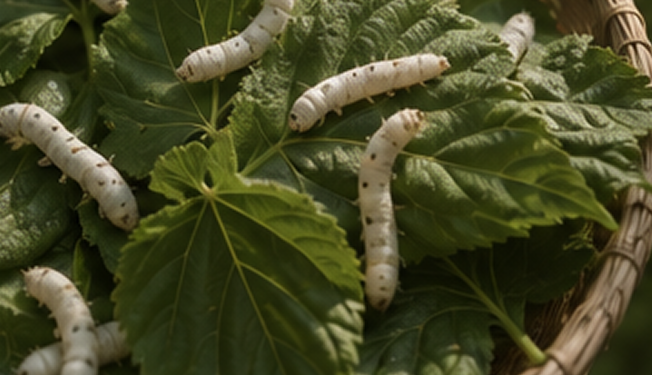
They eat continuously for 26-30 days, increasing body weight 10,000x
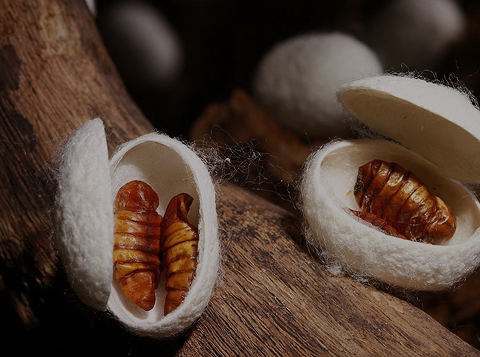
One silkworm consumes roughly 30g of leaves to produce a single cocoon
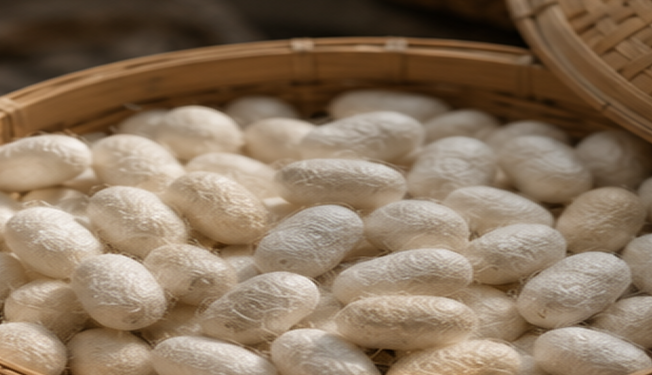
A single cocoon contains up to 900 meters of unbroken silk filament — all from one insect, one month of eating
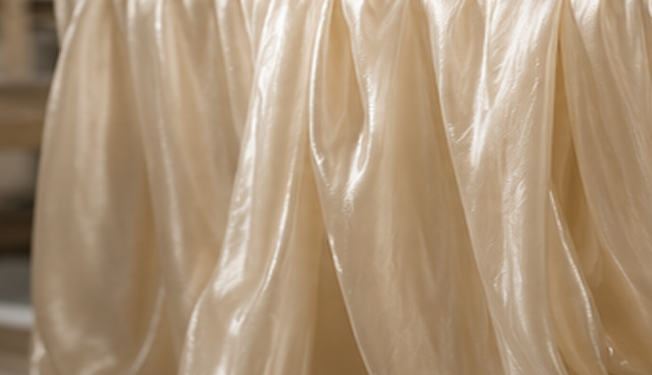
From natural fibers to refined lighting, silk brings softness, warmth, and quiet luxury to a space. In lighting, silk is not used like ordinary fabric — it is selected, structured, and finished to diffuse light beautifully while supporting safe fixture performance.
Silk doesn’t start in a factory.
It starts with a leaf.
Silkworms feed on mulberry leaves, creating the natural fiber that gives silk its soft texture and refined glow.
Only the best cocoons are selected for size, texture, and fiber quality to support a smoother final fabric.
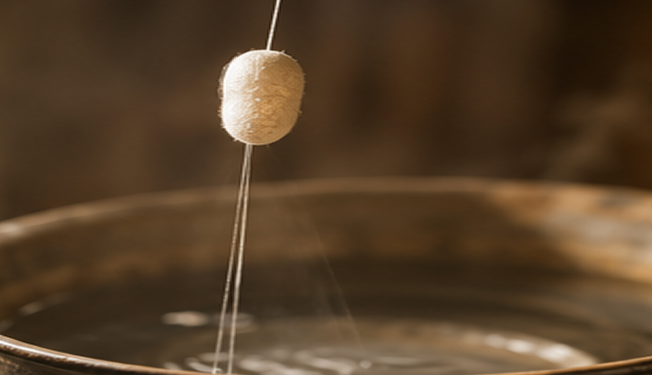
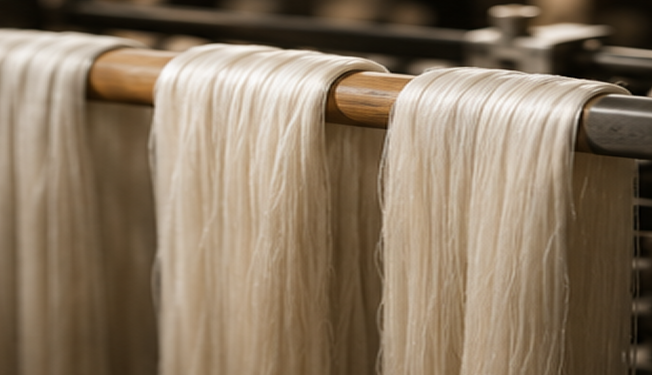
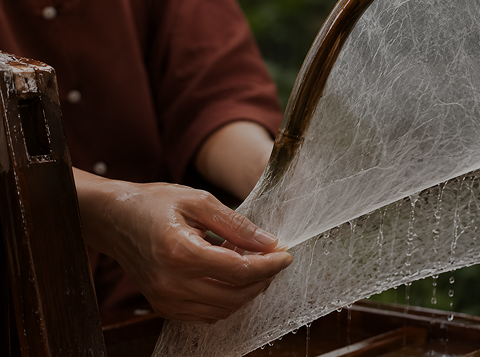
Silk filaments are
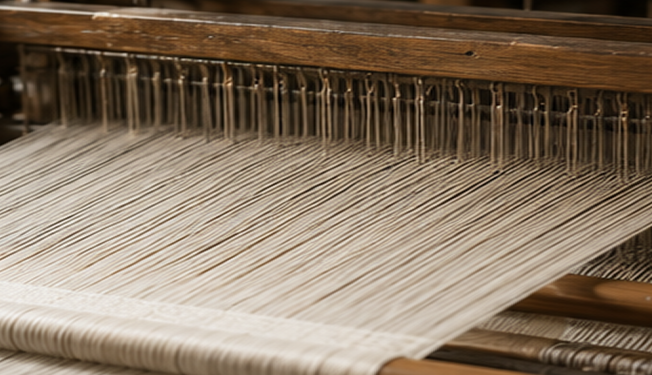
gently reeled from the cocoons to preserve their natural length, strength, and softness.


Timeless Durability
Ethically Sourced
Natural Material
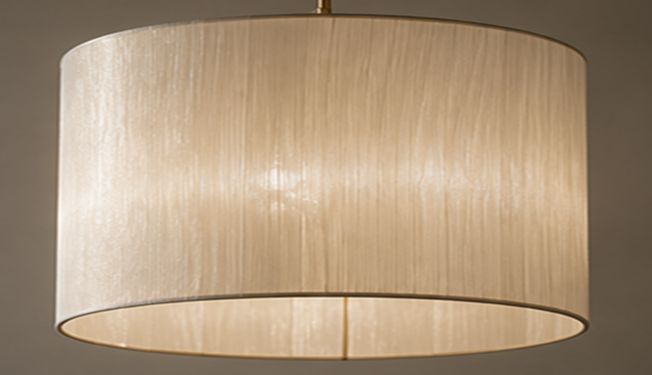
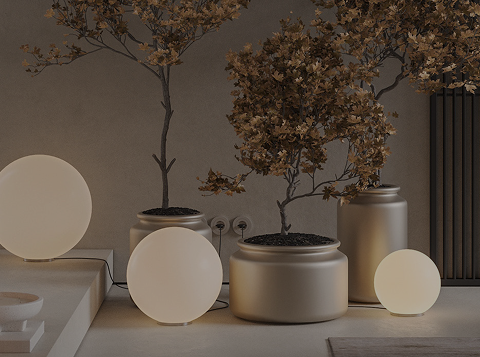
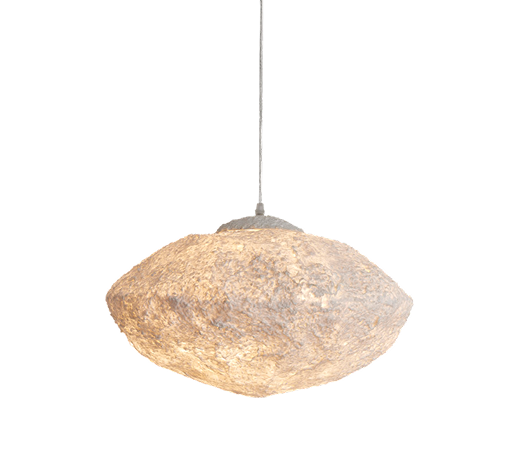
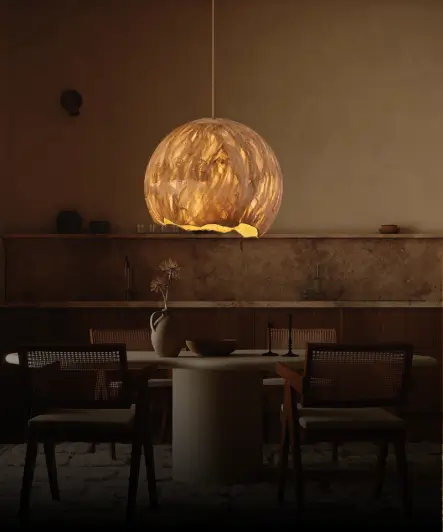
Silk diffuses light in a calm, natural way, creating warm illumination, soft shadows, and a more inviting atmosphere.
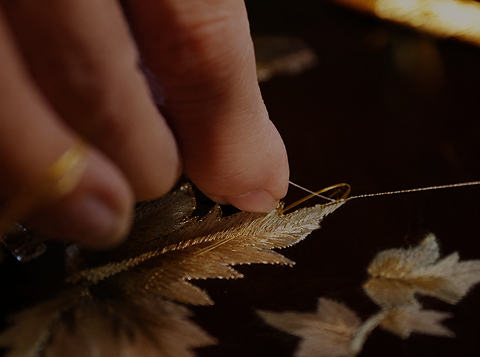
Every piece is handmade with care, designed to bring natural elegance into your life.
Design lighting without limits.
Mix different shapes, sizes and suspension heights to create bespoke installations tailored to every interior.
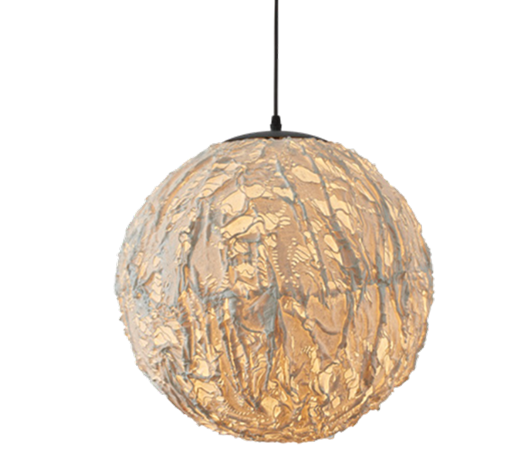
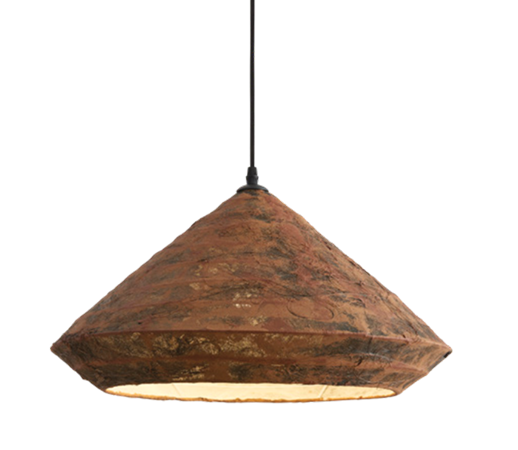
Each light is unique. Choose from a variety of shapes, sizes and silhouettes to create the perfect atmospere
Finish & color
Paintable to match the wall — any water-based color.
Optics & output
Beam angle, lumen package and driver to spec.
Color temperature
From warm 1800K amber
to crisp neutral white.


Silk is a protein fiber, so it is more UV-sensitive than glass or synthetic fabric — direct, unfiltered sunlight over months will yellow and eventually weaken it, which is why we specify these shades for ambient and task lighting rather than as a substitute for a window treatment in a sun-facing room. Under normal bulb exposure (even daily use), yellowing is not a practical concern, since the heat and UV output of a correctly-rated LED or incandescent lamp is far below sustained solar exposure. If the fixture sits near a bright south-facing window, we’d recommend a sheer curtain to protect it, the same precaution we’d give for any fine textile in the room.

Silk is best for soft, even illumination. It reduces harsh glare and creates warm, calm light rather than a sharp or highly exposed effect.
At the weight we specify (a heavier momme count than dress-weight silk), the fabric resists everyday tearing and handles the tension of being stretched over a frame without stress-splitting at the seams. Creasing is the more relevant concern: because silk holds a crease more readily than it holds an accidental dent, a sharp fold — from shipping compression or a hard knock — can leave a visible line that’s difficult to fully steam out on a mounted shade. We ship every silk fixture in a rigid, form-fitted crate rather than a soft box for exactly this reason.
Dust it regularly with a soft, dry brush or the brush attachment on a vacuum at its lowest suction setting — this alone prevents the majority of the dulling that reads as “aging” over time. For a spot stain, we strongly advise against home spot-cleaning with water or solvent, since silk can water-spot permanently the moment a liquid touches it unevenly; a professional textile cleaner experienced with silk (the same one who’d clean a silk garment) is the safer route for anything beyond surface dust.
Silk is naturally hygroscopic, meaning it absorbs and releases moisture from the air, and it actually prefers moderate humidity (around 45–55%) to environments that are extremely dry, which can make the fiber slightly brittle at the molecular level over years. In practice, normal indoor climate control is well within silk’s comfortable range; the only real-world edge case is a fixture installed near a heating vent or radiator, where prolonged dry heat exposure can accelerate this brittleness faster than ambient room conditions would.
Yes, seams and pleating are hand-finished rather than machine-stitched, which is standard for fine silk shade construction since machine tension can pucker the fabric at this weight. Hand work introduces millimeter-level variation in pleat spacing and seam placement between individual shades, which is generally invisible at normal viewing distance; for installations requiring multiple identical fixtures side by side (a row of matching pendants, for instance), we recommend flagging this at order time so pieces can be finished by the same artisan in sequence for tighter visual matching.
Yes — because mulberry silk is dyed in batches and the fiber itself has natural, subtle absorption variation, two dye lots produced months apart can differ slightly in saturation even when using the identical dye formula, the same phenomenon seen in paint or fine textiles generally. For color-critical projects, especially at a commercial or multi-unit scale, we recommend ordering all required quantity in a single production run rather than reordering later, and we can hold a fabric swatch on file against your original order for future reference.