DISCOVER THE MATERIALS

Light in its
Rawest Form

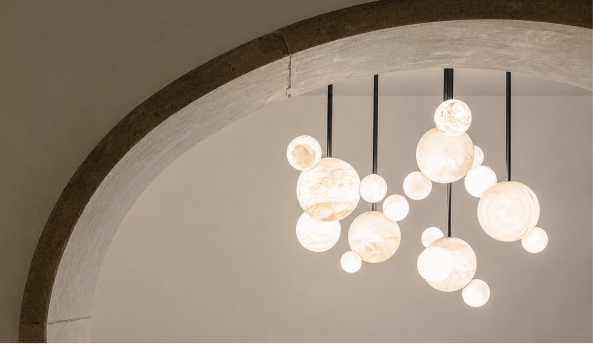
Alabaster, concrete, and ceramic each bring a distinct material character to light. From the natural translucency and veining of alabaster to the raw depth of concrete and the crafted finish of ceramic, each surface shapes light in its own way. The result is lighting defined by texture, substance, and a timeless architectural presence.

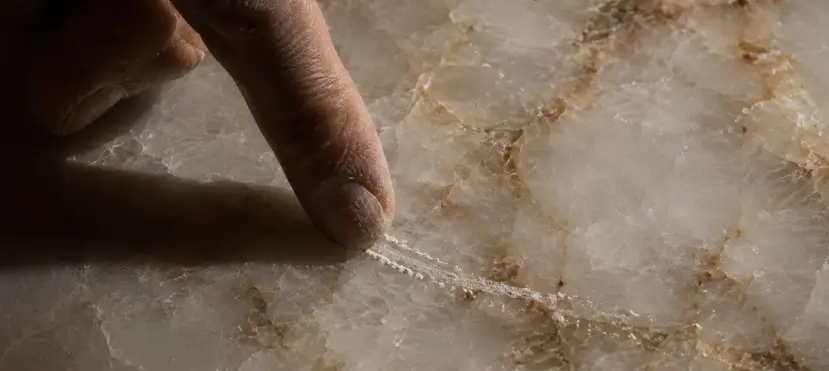
Alabaster

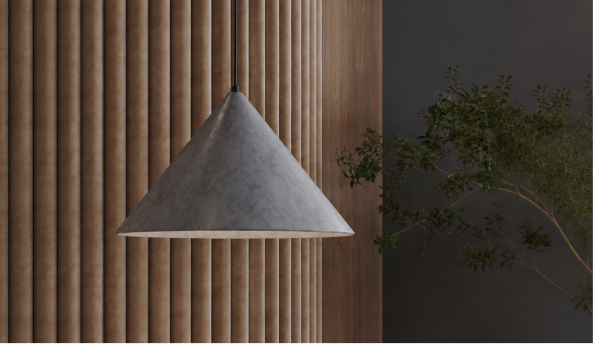
Concrete

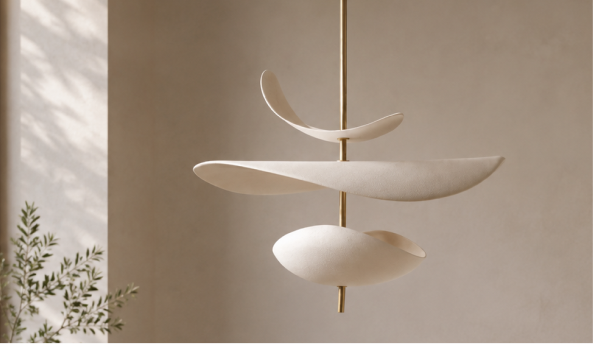
Ceramic

A STONE WITH
ANCIENT LIGHT

  • Every piece is different
  • Veining, tone, and opacity will vary
  • Some areas may glow more than others
  • This variation is expected, not a defect
  • Alabaster is ideal when the project needs a fixture with natural character

1.5–2

MOHS HARDNESS

Soft enough to be carved into refined forms, but delicate enough to require careful handling.

20–30%

Usable Quarry Yield

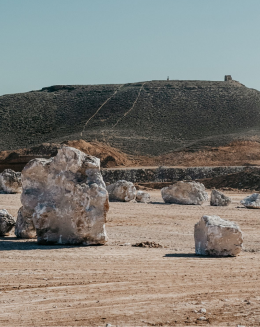
Only a limited portion of extracted stone has the translucency, tone, and stability needed for lighting.

UNIQUE

Natural Veining

No two pieces are identical. Each luminaire carries its own pattern, tone, and level of translucency.

Ancient

Material History

Used for thousands of years, alabaster remains valued for the way it turns stone into soft, atmospheric light.

What You Should Know:

  1. Ancient civilizations used alabaster as windows.
  2. Alabaster glows from within—not just on the surface.
  3. It’s soft enough to scratch with a fingernail.
  4. Rain slowly dissolves alabaster, so it’s mostly used indoors.

ALABASTER PREPARATION

STONE SELECTION

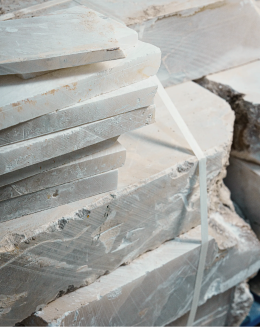
Blocks are chosen for tone, veining, and translucency. The better the stone, the better the final glow.
STONE SELECTION

Blocks are chosen for tone, veining, and translucency. The better the stone, the better the final glow.
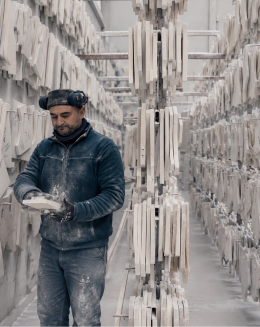
TURNING & SHAPING

Forms are shaped slowly by hand or machine to create curves, spheres, and custom designs without stress cracks.
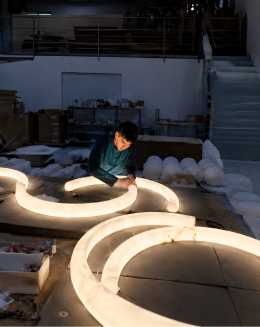
THINNING

Stone walls are reduced to the right thickness so light can pass through without making the piece too fragile.
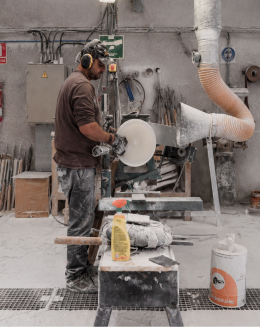
POLISHING

Surfaces are sanded and polished to reveal depth, soften edges, and refine the stone’s natural character.
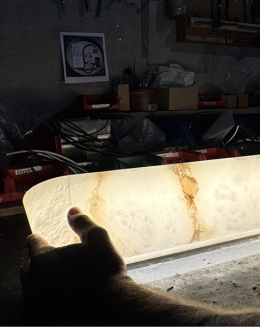
FINAL INSPECTION

Each piece is checked for cracks, tone, veining, light quality, and safe assembly before installation.

VARIETY
OF SHAPES

THE ESSENCE
OF CONCRETE

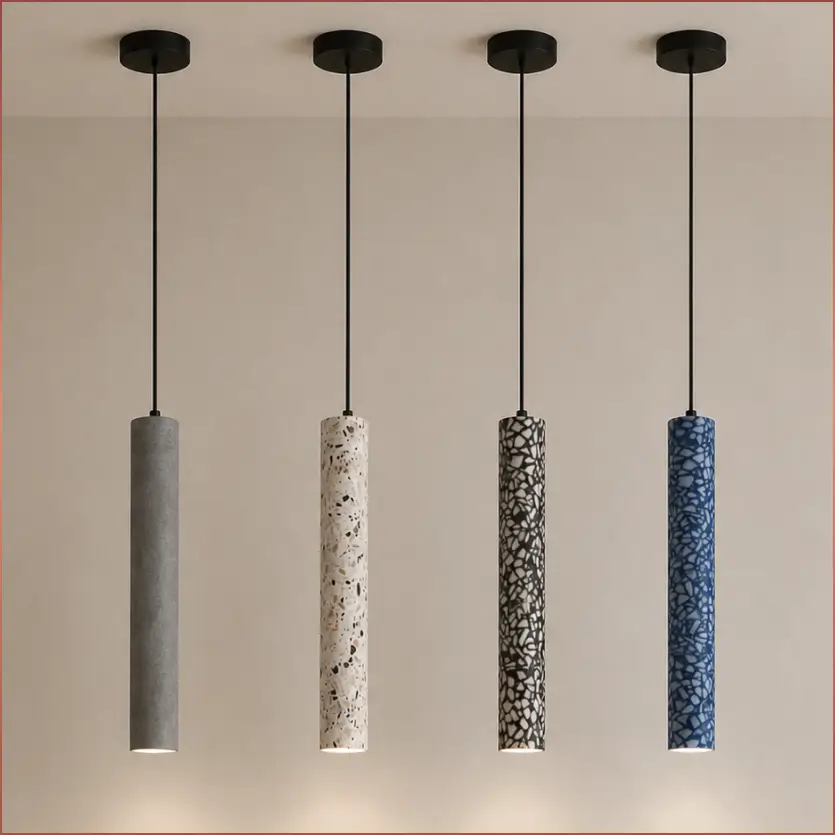
Concrete is made from cement, water, sand, and mineral aggregates, combining lasting strength with refined texture and bold architectural character.

  • Strong and durable
  • Refined, tactile surfaces
  • Sculptural forms
  • Contemporary finishes
  • Distinctive natural texture

CONCRETE

BETALY®

CRISTALY®

CEMENT

CONCRETE PREPARATION

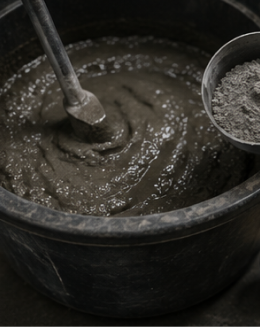
Mix Preparation

Cement, water, aggregates, and pigments are blended to control strength, color, texture, and workability.
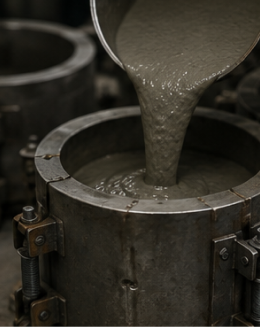
Mold Casting

The mix is poured into molds that define the final shape, size, and surface detail.
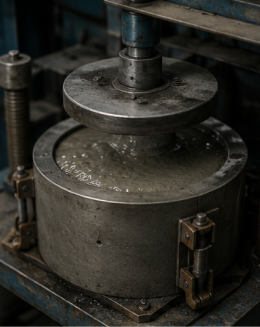
Vibration & Air Release

The mold is vibrated to release trapped air, helping reduce voids and weak spots.
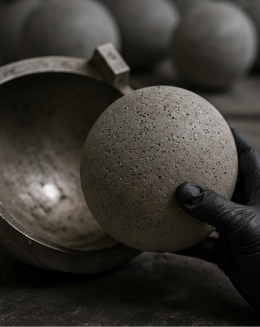
Curing

The piece cures slowly so the concrete can gain strength, stability, and durability.
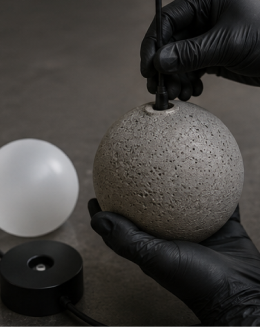
Demolding & Finishing

Once cured, the piece is removed, cleaned, sealed, polished, or textured to achieve the final look.
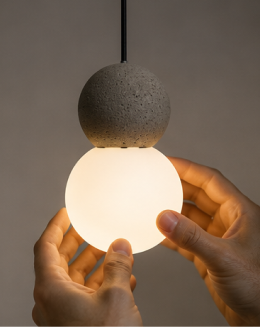
FINAL INSPECTION

Each fixture is checked for surface quality, structure, consistency, and safe assembly.
What You Should Know:

  1. Concrete is the world’s most-used material after water.
  2. Concrete starts as a liquid and becomes stone.
  3. Roman concrete used volcanic ash and remains mysterious.
  4. Roman concrete gets stronger in seawater.

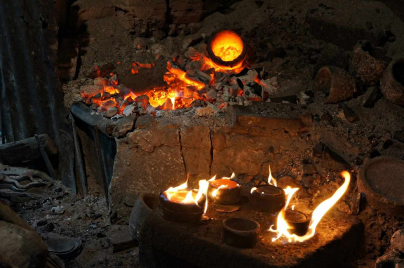
Crafted by Fire:
CERAMIC

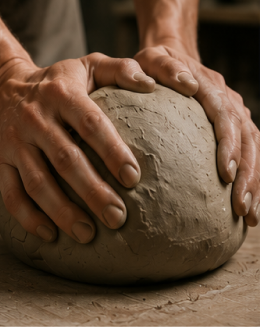
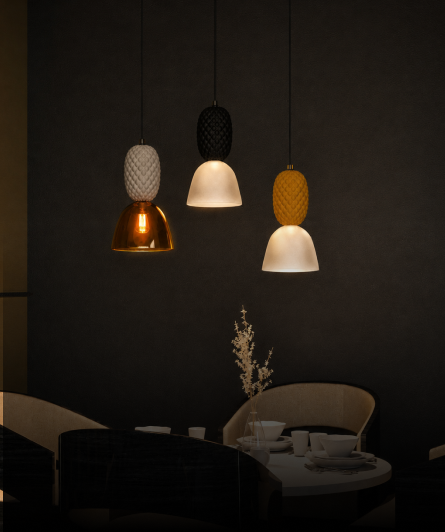
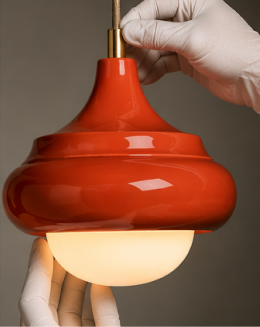
Ceramic is natural clay shaped and fired at high temperatures, creating a durable material with unique texture and character.

  • Natural clay
  • Fired for durability
  • Warm, tactile texture
  • Unique variations
  • Soft, warm light
  • Multiple finishes
  • Timeless character

CERAMIC PREPARATION

CLAY Preparation

Clay is prepared and air pockets are removed to create an even body that won’t crack during firing.
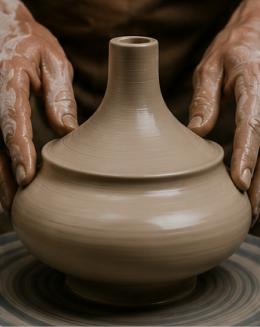
FORMING / SHAPING

The clay is shaped by hand, wheel, press, or mold to create the final fixture form and thickness.
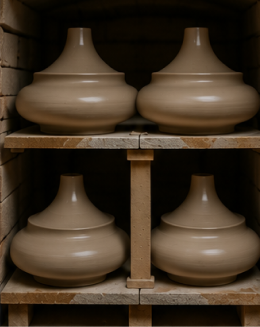
BISQUE FIRING

The piece is fired once at a lower temperature to harden the clay and prepare it for glazing.
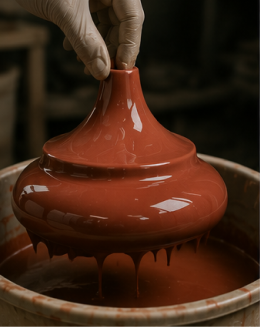
GLAZING

Glaze is applied to create the final color, sheen, texture, and surface protection.
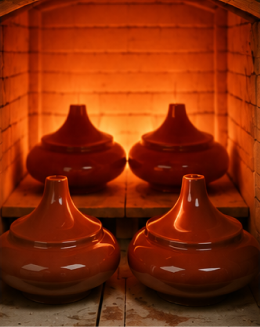
GLAZE FIRING

The glazed piece is fired again so the surface bonds to the ceramic body and becomes more durable.
FINAL INSPECTION

Each fixture is checked for finish, cracks, structure, and safe assembly before shipment.
What You Should Know:

  1. Ceramics were invented before the wheel.
  2. Fired clay was likely discovered by accident.
  3. Ancient pottery evolved into spacecraft heat shields.
  4. Some porcelain was made with crushed human bones.

Create Your
Composition

Every project calls for a unique expression.

Our stone and mineral lighting can be customized in shape, size, configuration, and finish, giving you the freedom to create anything from a singular statement piece to a large-scale architectural installation—tailored precisely to your space and vision.

MINERAL CHARACTER

  • Premium materials create an immediate sense of quality and character.
  • Designed to stand out with or without the light on.

we can customize everything

Dimensions & shape
Custom apertures, lengths and depths for any substrate.

Finish & color
Paintable to match the wall — any water-based color.

Optics & output
Beam angle, lumen package and driver to spec.

Color temperature
From warm 1800K amber
to crisp neutral white.

Featured Stone & Mineral
Lighting Projects

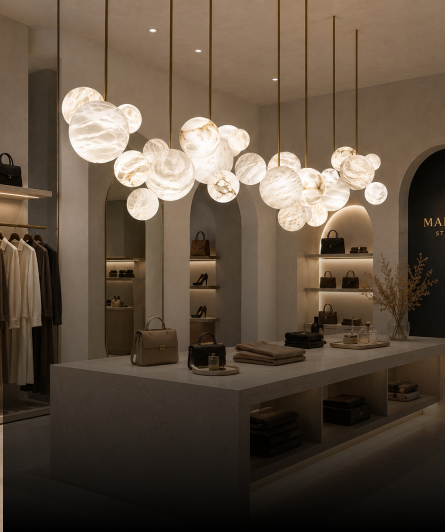
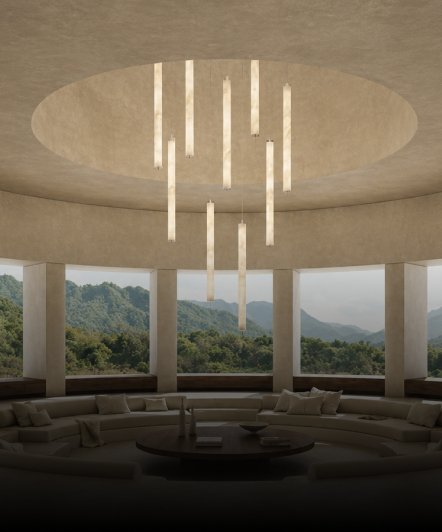
Hospitality

RETAIL

Wellness

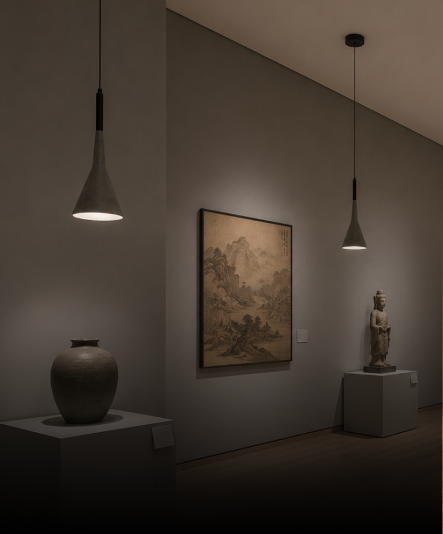
Cultural

COMMON
QUESTIONS

IS EVERY ALABASTER LUMINAIRE UNIQUE?

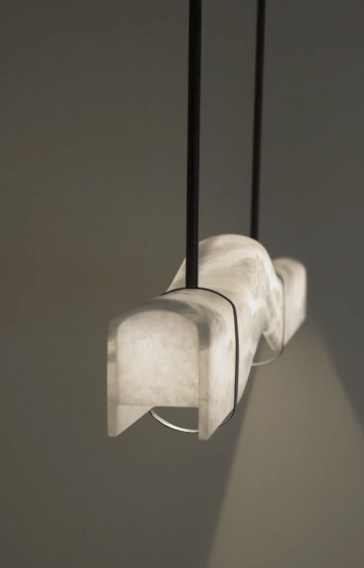
Yes. Alabaster is a natural stone, so veining, tone, opacity, and translucency vary from piece to piece. These differences are expected and are part of the material’s value, not defects.

Alabaster has natural changes in thickness, mineral density, and veining. Some areas may transmit more light than others, which gives each fixture its own depth and character. 

Stone carries real mass, so every model ships with mounting hardware rated for its weight. Structural loads are stated on each spec sheet for the installer.

Dust with a soft dry cloth. Avoid acidic or abrasive cleaners — alabaster is a soft mineral and its polish should not be stripped.

Cement is a natural binder and each batch cures slightly differently, so tone and micro-mottling shift a little between pieces. Order a full room from one production run if you need the closest possible match.

No — unlike alabaster it is opaque, so light is directed rather than diffused through the body. That makes it well suited to downward-focused pendants over counters, islands and tables.

Fired stoneware is hard and scratch-resistant, but brittle under impact — the failure mode is a chip or crack rather than a dent. Shades are individually replaceable by model code.

Yes. Ceramic is fired at high temperatures, which makes it heat-resistant as a material. The fixture still needs the correct socket, wiring, driver, and bulb specification for safe performance.

Most glazed bodies are opaque, so the interior glaze does the work: a white or pearl inner glaze bounces light softly, while dark interiors give a tighter, more dramatic beam.

Alabaster is translucent and glows from within — ambient and jewel-like. Concrete is opaque, matt and architectural, with weight and quiet texture. Ceramic is opaque but glazed, bringing color and sheen. Many projects use one for feature positions and another for repeat positions.

These materials work well in hospitality, retail, wellness, cultural, residential, and commercial interiors where texture, depth, and architectural presence matter.

Didn't find the answer you're looking for?